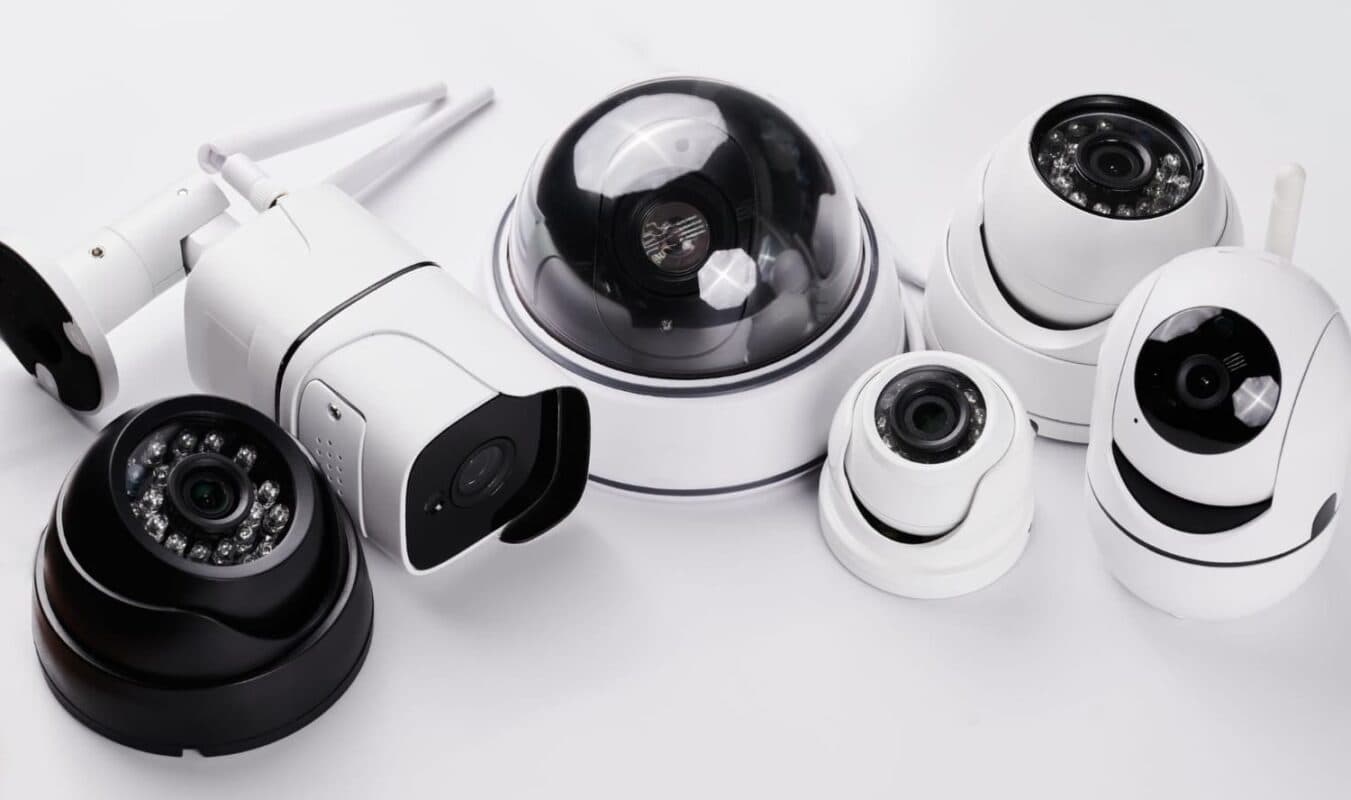
Dutch intelligence says Russia hacks IP cameras to monitor NATO military logistics and weapons shipments to Ukraine.
The Netherlands’ AIVD and MIVD, the civilian and military intelligence services, published a joint advisory on July 10 confirming that at least one Russian intelligence service is systematically compromising internet-connected IP cameras across the Netherlands, other EU and NATO member states, and Ukraine to collect military intelligence.
The operation is ongoing. The advisory is based on intelligence gathered by both services and covers a campaign that has escalated since Russia’s full-scale invasion of Ukraine.
The immediate military application in Ukraine is the most direct part of the finding.
“The information obtained by the Russian state actor via digital espionage operations targeting IP cameras provides insight into relevant military data, such as EU and NATO military transport routes and weapon deliveries to Ukraine. The Russian state actor uses image recognition software to conduct targeted searches for military vehicles and the military cargo they are transporting. In some cases, the access to IP cameras gained by the Russian state actor in Ukraine is used to identify the locations of Ukrainian military personnel.” reads the advisory. “Intelligence reveals that this information is subsequently used to neutralise Ukrainian military personnel and military materiel in use by the Ukrainian armed forces. Furthermore, the Dutch services have determined that the Russian service is using the access to IP cameras to acquire relevant military intelligence in EU and NATO member states, including information that is not directly relevant to the war in Ukraine.”
A roadside camera or a business camera overlooking a loading area becomes a targeting asset. That’s the direct line from a default password left unchanged to a strike on Ukrainian forces.
The surveillance operation in EU and NATO member states serves a different but related purpose.
“Furthermore, the Dutch services have determined that the Russian service is using the access to IP cameras to acquire relevant military intelligence in EU and NATO member states, including information that is not directly relevant to the war in Ukraine.” confirms the advisory. “To date, the Dutch services have not observed the Russian state actor using such information for military attacks outside Ukraine.”
The intelligence collected includes EU and NATO military transport routes and weapons deliveries bound for Kyiv. The Dutch services separately confirmed they caught a small number of cameras breached directly on military logistics routes inside the Netherlands, and warned the organizations running them so they could act.
The services are explicit that this isn’t a one-off campaign.
“The Dutch services assess that there has been a systematic increase in the number of digital espionage operations by Russian state actors to support military operations since the start of the war in Ukraine. The digital activities that target IP cameras form only a small part of their operations.” continues the joint advisory. “The Russian authorities derive significant tactical and strategic advantages from the deployment of cyber operations, from both defensive and offensive perspectives. For example, the MIVD has previously issued a warning about exploratory activities by Russian state actors targeting logistical routes, including routes in the Netherlands”
The camera surveillance is described as a small part of a much larger digital intelligence effort.
Getting into a camera isn’t technically sophisticated. The operators scan for internet-connected devices, fingerprint cameras by brand, and walk into those still running default passwords, outdated firmware, or factory settings. Once they’re in, image-recognition software runs automated searches through the video feed looking for military vehicles and the cargo they carry. No zero-days required.
“Once an IP camera has been identified, the malicious actor can attempt to gain access to the IP camera via the internet. This is often a relatively simple process, since many IP cameras that are connected to the internet lack adequate security measures.” states the advisory. “For example, they often have default passwords, obsolete firmware and factory configurations.”
The Dutch services have not observed the same camera-derived intelligence being used for military attacks outside Ukraine. But they say this demonstrates that Russia has the capability to do so, and that the same approach could be applied by Russian military units in a future conflict. That’s not a hypothetical being raised for rhetorical effect. It’s an assessment of demonstrated capability.
The most important variables, according to the advisory, are what the camera can see and whether it’s reachable from the public internet. On the first: cameras should be positioned for their actual purpose and should avoid covering logistics routes, loading docks, ports, or any area where military movements or weapons shipments pass. Sensitive zones within the field of view should be masked or blurred where possible, and GPS location data should be stripped from video streams.
On accessibility: live streams should not be publicly reachable unless there’s an essential reason for it. Port forwarding and UPnP should be disabled. Remote access should go through a VPN rather than direct exposure. Default passwords should be changed immediately on installation, admin accounts should be kept separate from stream-viewing accounts, and MFA should be enabled wherever the device supports it. The advisory also flags the origin of the hardware itself: China, Russia, and Iran are cited as countries actively running offensive cyber programs targeting Dutch and European interests, and buyers should factor that into procurement decisions.
Cybersecurity firm Censys counted more than 87,000 internet-connected cameras across EU and NATO countries and Ukraine running services matching known-exploited vulnerabilities. In the Netherlands alone, more than 45,000 cameras are reachable from the public internet.
The numbers illustrate the scale of the exposed surface the advisory is addressing. Fixing it doesn’t require new technology. It requires treating a camera pointing at a transport route with the same security discipline as any other system connected to the internet.
Follow me on Twitter: @securityaffairs and Facebook and Mastodon
(SecurityAffairs – hacking, IP cameras)