Security Affairs
Russian APT BlueDelta Uses HOOKEDGE to Target Defense and Diplomatic Organizations|PaperCut Zero-Day Under Active Attack: Emergency Patch Released|U.S. CISA adds Red Hat, Linux Kernel, Ajax.NET Professional, Microsoft SQL Server, and Citrix NetScaler flaws to its Known Exploited Vulnerabilities catalog|Cyberattack on UK Airport Operator MAG Exposes Data of 8.7 Million Customers Across Three Airports|Dark Caracal Deploys New Go Malware With Ethereum-Based C2 Fallback|Australian Police Charge Two Over TeamPCP Credential Theft|Meta to Pay Up to $18B Over Teen Social Media Use|CISA Warns Water Utilities: Find Your Exposed PLCs Before Attackers Do|OpenAI banned Russian ChatGPT accounts backing covert influence operation|CISA Red Team Fully Compromised Two Critical Infrastructure Orgs|FBI Seizes China-Linked Hacking Platforms QScan and QTRouter Used Against Critical Infrastructure|U.S. CISA adds Gitea flaw to its Known Exploited Vulnerabilities catalog|Russian APT BlueDelta Uses HOOKEDGE to Target Defense and Diplomatic Organizations|PaperCut Zero-Day Under Active Attack: Emergency Patch Released|U.S. CISA adds Red Hat, Linux Kernel, Ajax.NET Professional, Microsoft SQL Server, and Citrix NetScaler flaws to its Known Exploited Vulnerabilities catalog|Cyberattack on UK Airport Operator MAG Exposes Data of 8.7 Million Customers Across Three Airports|Dark Caracal Deploys New Go Malware With Ethereum-Based C2 Fallback|Australian Police Charge Two Over TeamPCP Credential Theft|Meta to Pay Up to $18B Over Teen Social Media Use|CISA Warns Water Utilities: Find Your Exposed PLCs Before Attackers Do|OpenAI banned Russian ChatGPT accounts backing covert influence operation|CISA Red Team Fully Compromised Two Critical Infrastructure Orgs|FBI Seizes China-Linked Hacking Platforms QScan and QTRouter Used Against Critical Infrastructure|U.S. CISA adds Gitea flaw to its Known Exploited Vulnerabilities catalog|
Advertisement

Ad Placeholder

Full Width × 90

Breaking News

Victims of Ziggy ransomware can recover their files for free

The Ziggy ransomware gang has shut down its operations and released the decryption keys fearing the ongoing investigation of law enforcement. Good news for the victims of the Ziggy ransomware, the ransomware operators have shut down their operations and released the victims’ decryption keys. The victims can now recover their encrypted files without needing to pay the ransom. […]

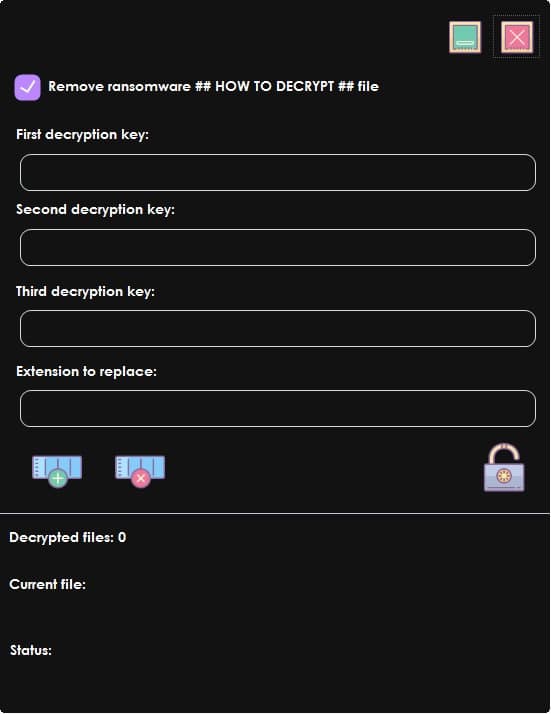
Ziggy ransomware decryptor

Source BleepingComputer

The Ziggy ransomware gang has shut down its operations and released the decryption keys fearing the ongoing investigation of law enforcement.

Good news for the victims of the Ziggy ransomware, the ransomware operators have shut down their operations and released the victims’ decryption keys. The victims can now recover their encrypted files without needing to pay the ransom.

The news was confirmed by the researcher M. Shahpasandi to BleepingComputer. The mastermind behind the Ziggy Ransomware operation announced on Telegram the decision to shut down their activity.

“In an interview with BleepingComputer, the ransomware admin said they created the ransomware to generate money as they live in a “third-world country.”” reported BleepingComputer.

Ransomware operators are concerned about recent law enforcement activity that results in the operation against Netwalker ransomware.

Ziggy ransomware admin leaked a SQL file containing 922 decryption keys along with a decryptor. The ransomware admin also shared the source code for a different decryptor with BleepingComputer that includes offline decryption keys that could be used when the infected system is not connected to the Internet.

In order to decrypt the files, the victims have to provide three decryption keys that are included in the SQL file.

Ransomware infections use offline decryption keys to decrypt victims infected while not being connected to the Internet or the command and control server was unreachable.

As usual, it is recommended to the victims to only use decryptor developed by security firms, because the one released by ransomware operators could hide malware.

Recently another ransomware gang shut down its operations, it was the group behind the Fonix ransomware.

If you want to receive the weekly Security Affairs Newsletter for free subscribe here.

[adrotate banner=”9″][adrotate banner=”12″]

Pierluigi Paganini

(SecurityAffairs – hacking, Ziggy ransomware)

[adrotate banner=”5″]

[adrotate banner=”13″]