Security Affairs
Russian APT BlueDelta Uses HOOKEDGE to Target Defense and Diplomatic Organizations|PaperCut Zero-Day Under Active Attack: Emergency Patch Released|U.S. CISA adds Red Hat, Linux Kernel, Ajax.NET Professional, Microsoft SQL Server, and Citrix NetScaler flaws to its Known Exploited Vulnerabilities catalog|Cyberattack on UK Airport Operator MAG Exposes Data of 8.7 Million Customers Across Three Airports|Dark Caracal Deploys New Go Malware With Ethereum-Based C2 Fallback|Australian Police Charge Two Over TeamPCP Credential Theft|Meta to Pay Up to $18B Over Teen Social Media Use|CISA Warns Water Utilities: Find Your Exposed PLCs Before Attackers Do|OpenAI banned Russian ChatGPT accounts backing covert influence operation|CISA Red Team Fully Compromised Two Critical Infrastructure Orgs|FBI Seizes China-Linked Hacking Platforms QScan and QTRouter Used Against Critical Infrastructure|U.S. CISA adds Gitea flaw to its Known Exploited Vulnerabilities catalog|Russian APT BlueDelta Uses HOOKEDGE to Target Defense and Diplomatic Organizations|PaperCut Zero-Day Under Active Attack: Emergency Patch Released|U.S. CISA adds Red Hat, Linux Kernel, Ajax.NET Professional, Microsoft SQL Server, and Citrix NetScaler flaws to its Known Exploited Vulnerabilities catalog|Cyberattack on UK Airport Operator MAG Exposes Data of 8.7 Million Customers Across Three Airports|Dark Caracal Deploys New Go Malware With Ethereum-Based C2 Fallback|Australian Police Charge Two Over TeamPCP Credential Theft|Meta to Pay Up to $18B Over Teen Social Media Use|CISA Warns Water Utilities: Find Your Exposed PLCs Before Attackers Do|OpenAI banned Russian ChatGPT accounts backing covert influence operation|CISA Red Team Fully Compromised Two Critical Infrastructure Orgs|FBI Seizes China-Linked Hacking Platforms QScan and QTRouter Used Against Critical Infrastructure|U.S. CISA adds Gitea flaw to its Known Exploited Vulnerabilities catalog|
Advertisement

Ad Placeholder

Full Width × 90

Breaking News

Ten years ago someone breached into a server of the Yale University

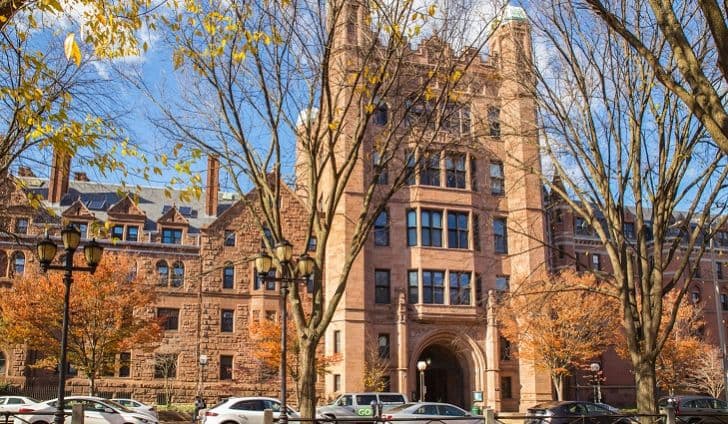
Ten years ago someone breached into a server of the Yale University, but because the intrusion happened nearly ten years ago there is much more information about how it occurred. After ten years, Yale University revealed a security breach that exposed an archive containing personal information of 119,000 people. Hackers breached into the database of the famous […]

yale university

Ten years ago someone breached into a server of the Yale University, but because the intrusion happened nearly ten years ago there is much more information about how it occurred.

After ten years, Yale University revealed a security breach that exposed an archive containing personal information of 119,000 people.

Hackers breached into the database of the famous University between April 2008 and January 2009 and apparently accessed a server where it is hosted a single database.

“On July 26th and 27th, Yale mailed notices to members of the Yale community, including alumni/ae, faculty members, and staff members, who were affected by a data intrusion that occurred in 2008-2009.” reads the security alert published by the Yale University.

yale university

The database contained data of individuals affiliated with the university, the unauthorized access was discovered on June 16, 2018, during a security review.

The hackers accessed names, Social Security numbers, dates of birth, Yale email addresses, and in some cases the physical addresses of individuals associated with the university.

Unfortunately, there is no way to understand how attackers hacked the server either “it is not feasible to determine the identities of the perpetrators.”

The academic institution announced that no financial information was exposed, it sent a notice letter to 97% of affected people in the Yale community.

Unfortunately, there is another disconcerting news for the Yale community, a letter sent by the University to the State of New Hampshire Attorney General, revealed that the same server was hacked a second time between March 2016 and June 2018.

This second intrusion caused the exposure of the names and Social Security numbers of 33 individuals, none of whom reside in New Hampshire.

Yale is offering identity monitoring services to all affected U.S. residents through the Kroll security firm. At the time there is no indication that the exposed data has been misused.

[adrotate banner=”9″] [adrotate banner=”12″]

Pierluigi Paganini

(Security Affairs – Yale University, hacking)

[adrotate banner=”5″]

[adrotate banner=”13″]