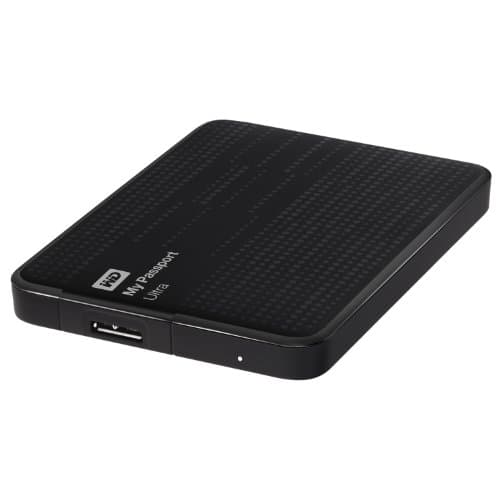
A trio of researchers has demonstrated that some versions of self-encrypting hard drives manufactured by the Western Digital are affected by security flaws.
Some versions of self-encrypting hard drives manufactured by the Western Digital are affected by security flaws that could be exploited with physical access to access protected data, even without knowing the decryption password.
A trio of researchers (Gunnar Alendal, Christian Kison and “modg”) discovered the security flaws and detailed its analysis s in the paper, titled got HW crypto? On the (in)security of a Self-Encrypting Drive series. The document details the various flaws affecting multiple versions of the My Passport and My Book models of external self-encrypting hard drives.
Western Digital devices automatically encrypt data as it is written to the storage and decrypt the information as it is read back to the system. The self-encrypting hard drives use 256-bit AES encryption and can be protected with a password.
“After researching the inner workings of some of the numerous models in the My Passport external hard drive series, several serious security vulnerabilities have been discovered, affecting both authentication and confidentiality of user data,” the researchers wrote. “We developed several different attacks to recover user data from these password protected and fully encrypted external hard disks. In addition to this, other security threats are discovered, such as easy modification of firmware and on-board software that is executed on the users PC, facilitating evil maid and badUSB attack scenarios, logging user credentials and spreading of malicious code.”
Most of the self-encrypting hard drives analyzed by the experts encrypt and decrypt data using a USB bridge that connects a computer to the external drive’s SATA interface. The interface is designed to prevent powerful cracking attacks, but a number of security issues could allow to crack the password.

The My Passport models using a JMicron JMS538S micro-controller adopt a pseudorandom number generator that is not cryptographically secure, the key was predictable.
Drive models using a JMicron JMS569 controller (My Passport models) can be easily compromised by using commercial forensic tools that access the unencrypted system area of the drive, meanwhile devices using a Symwave 6316 controller store their encryption keys on the disk making data recovery trivial.
In other cases, the researchers discovered that it was possible to extract the hash off the drive and load it onto a computer, an operation that could allow an attacker to run off-line cracking.
In another case, the Western Digital self-encrypting hard drives ship with a default password and even if it has been changed by the user only once, the key corresponding to the default password remains stored on the device allowing the attacker to easily decrypt it. The workaround consists in the changing of the password for a second time.
Which is the position of Western Digital?
“WD has been in a dialogue with independent security researchers relating to their security observations in certain models of our My Passport hard drives,” spokeswoman Heather Skinner told The Register in a statement. “We continue to evaluate the observations. We highly value and encourage this kind of responsible community engagement because it ultimately benefits our customers by making our products better. We encourage all security researchers to responsibly report potential security vulnerabilities or concerns to WD Customer Service and Support at http://support.wdc.com.”
The discoveries made by the trio of expert are disconcerting and raises serious questions about the level of security offered by devices designed to protect users’ data. Fortunately users have many other options to protect their information, for example by securing data with PGP Full Disk Encryption application.
Enjoy the paper!
(Security Affairs – self-encrypting hard drives, Western Digital)