
The US Government is working with manufacturers and vendors of medical devices and equipment to identify and fix vulnerabilities.
Every day we read about more or less sophisticated attacks against any kind of computing systems that allows threat actors to compromise targeted devices. What do you think if your life depends on the proper functioning of these devices? Security of medical devices is a critical topic approached many times by US authorities, last in order of time is related to an investigation run by the U.S. Department of Homeland Security on two dozen cases of suspected cybersecurity flaws in medical components and hospital equipment.
The devices and equipments under investigation cover a wide range of systems, including medical imaging equipment and hospital networking systems.
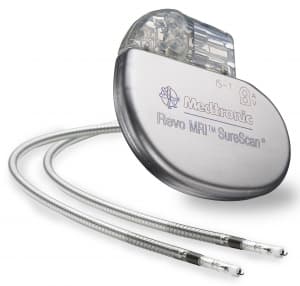
The authorities suspect that hackers have exploited flaws in these systems to run cyber attacks, according to the revelation of a senior official at the agency Reuters. The US ICS-CERT is assessing several products, including an infusion pump from Hospira Inc and implantable heart devices commercialized by Medtronic Inc and St Jude Medical Inc.
Rumors refers that in one case is involved an alleged vulnerability in a type of infusion pump discovered by Billy Rios who declined to provide the name of the manufacturer.
“Two people familiar with his research said the manufacturer was Hospira.” states the Reuters in a blog post.

Despite there is no official news related to cyber attacks against these devices, the US Government fears that ill intentioned, could run a remote attack causing malfunction with dramatic consequences.
The US ICS-CERT is working with manufacturers of medical devices to identify to expose confidential data or attack hospital equipment.
“These are the things that shows like ‘Homeland’ are built from,” said the official, referring to the U.S. finction spy drama in which the fictional vice president of the United States is killed by a cyber attack on his pacemaker. “It isn’t out of the realm of the possible to cause severe injury or death,” added the official.
In time I’m writing the US ICS-CERT hasn’t disclosed the name of the company under investigation, and Hospira, Medtronic and St Jude Medical declined to comment the events.
Late 2012 the US Government Accountability Office (GAO) produced a report highlighting the necessity to secure medical devices such as implantable cardioverter defibrillators or insulin pumps. The recommendation was directed to the Food and Drug Administration (FDA) that was invited to approach the problem urgently considering incidents intentionally caused to some devices.
The U.S. Food and Drug Administration, recently released guidelines for manufacturers and healthcare providers to improve the security of medical devices, also in this case the fear is that relate to intentional threats.
“The conventional wisdom in the past was that products only had to be protected from unintentional threats. Now they also have to be protected from intentional threats too,” said William Maisel, chief scientist at the FDA’s Center for Devices and Radiological Health. He declined to comment on the DHS reviews.
The researcher Billy Rios explained that he wrote a program that could remotely control the supply of the amount of drug for insulin pump, forcing them to inject a lethal dose.
“This is a issue that is going to be extremely difficult to patch,” said Rios, that shared the results of his analysis with the DHS.
The DHS is also investigating on alleged vulnerabilities affecting implantable heart devices from Medtronic and St Jude Medical, according to two people familiar with the matter. Both companies have declined comments and confirmed that they are considering security as a serious issue.
(Security Affairs –Medical devices, US ICS-CERT)


