
U.S. CISA adds a Microsoft SharePoint Server flaw to its Known Exploited Vulnerabilities catalog|430,000 FortiGate Devices Exposed in FortiBleed Ransomware Link|Adobe fixed multiple maximum-severity flaws in ColdFusion and Campaign Classic|Alleged Scattered Spider Hacker Extradited to U.S. to Face Cybercrime Charges|Oracle E-Business Suite Flaw Under Active Attack, 950 Systems Exposed|Azure CLI Targeted in LSHIY Password Spray Campaign Across 64 Orgs|CISA Warns BlueHammer Flaw Is Now Exploited in Ransomware Attacks|RustDuck: The Botnet That’s Still Small but Engineering Like It Plans to Grow|GuardFall Flaw Hits 10 of 11 Popular Open-Source AI Agents|XSS.is, The Forum That Ran the Ransomware Supply Chain Is Down. The Market Isn’t|U.S. CISA adds SimpleHelp flaw to its Known Exploited Vulnerabilities catalog|Hackers Steal Data of 4.38 Million Aflac Japan Customers|U.S. CISA adds a Microsoft SharePoint Server flaw to its Known Exploited Vulnerabilities catalog|430,000 FortiGate Devices Exposed in FortiBleed Ransomware Link|Adobe fixed multiple maximum-severity flaws in ColdFusion and Campaign Classic|Alleged Scattered Spider Hacker Extradited to U.S. to Face Cybercrime Charges|Oracle E-Business Suite Flaw Under Active Attack, 950 Systems Exposed|Azure CLI Targeted in LSHIY Password Spray Campaign Across 64 Orgs|CISA Warns BlueHammer Flaw Is Now Exploited in Ransomware Attacks|RustDuck: The Botnet That’s Still Small but Engineering Like It Plans to Grow|GuardFall Flaw Hits 10 of 11 Popular Open-Source AI Agents|XSS.is, The Forum That Ran the Ransomware Supply Chain Is Down. The Market Isn’t|U.S. CISA adds SimpleHelp flaw to its Known Exploited Vulnerabilities catalog|Hackers Steal Data of 4.38 Million Aflac Japan Customers|
Advertisement

Ad Placeholder

Full Width × 90

Breaking News

New Ttint IoT botnet exploits two zero-days in Tenda routers

Security researchers provided technical details about an IoT botnet dubbed Ttint that has been exploiting two zero-days in Tenda routers Security researchers at Netlab, the network security division Qihoo 360, have published a report that details an IoT botnet dubbed Ttint. The experts are monitoring the Mirai-based botnet since November 2019 and observed it exploiting […]

Ttint IoT botnet

Security researchers provided technical details about an IoT botnet dubbed Ttint that has been exploiting two zero-days in Tenda routers

Security researchers at Netlab, the network security division Qihoo 360, have published a report that details an IoT botnet dubbed Ttint.

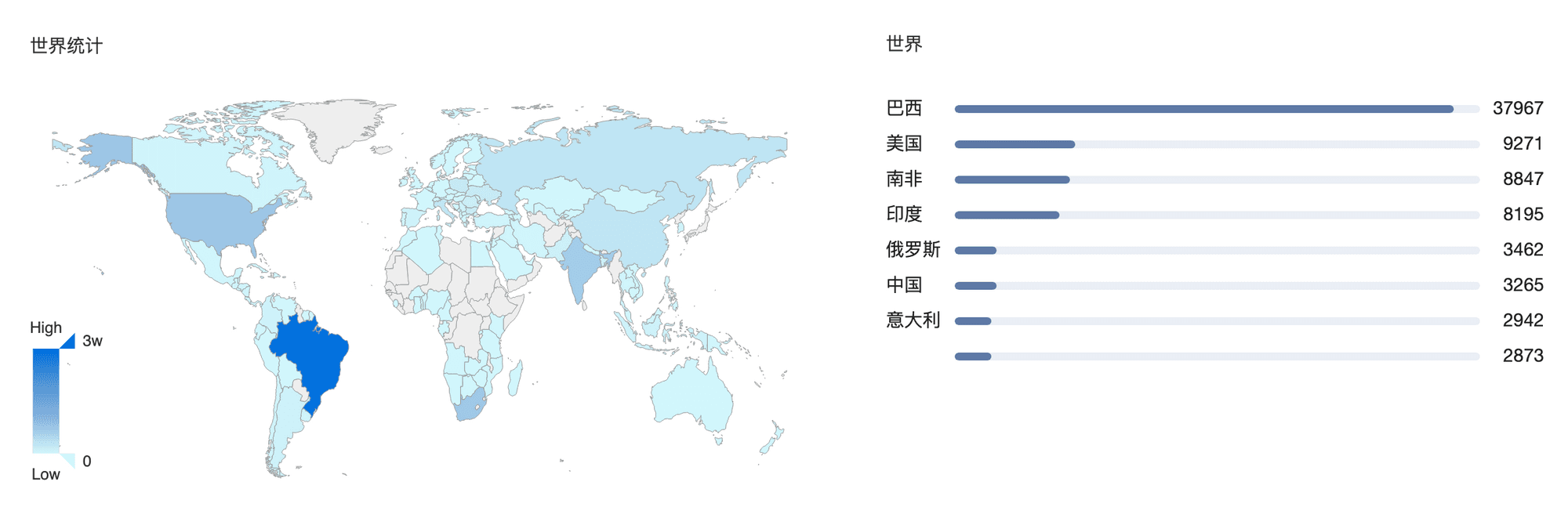
The experts are monitoring the Mirai-based botnet since November 2019 and observed it exploiting two Tenda router 0-day vulnerabilities to spread a Remote Access Trojan (RAT).

Ttint IoT botnet

Unlike other IoT DDoS botnets, Ttint implements 12 remote access functions such as Socket5 proxy for router devices, tampering with router firewall and DNS settings, executing remote custom system commands.

The botnet uses the WSS (WebSocket over TLS) protocol for C2 communication to circumvent the typical Mirai traffic detection and provide secure encrypted communication for command and control.

“About the infrastructure, the attacker first used a Google cloud service IP, and then switched to a hosting provider in Hong Kong” reads the analysis published by Netlab.

“Two zero days, 12 remote access functions for the router, encrypted traffic protocol, and infrastructure IP that that moves around. This botnet does not seem to be a very typical player.”

When the botnet was first detected in 2019, experts noticed it was exploiting the Tenda zero-day flaw tracked as CVE-2020-10987.

The vulnerability was detailed in July 2020 by the security researchers Sanjana Sarda.

On August 21, Netlab researchers observed the Ttint botnet exploiting a second zero-day flaw in the family of Tenda routers.

On August 28, 2020, Netlab reported the details of this second 0-day flaw and the PoC to Tenda, but the vendor has not yet responded.

According to the experts, Tenda routers running a firmware version between AC9 to AC18 are vulnerable to the attack.

The report published by Netlab includes Indicators of Compromise (IoCs).

“We recommend that Tenda router users check their firmware and make necessary update.” concludes the report. “We also recommend that our readers monitor and block related IoCs.”

[adrotate banner=”9″][adrotate banner=”12″]

Pierluigi Paganini

(SecurityAffairs – hacking, Ttint botnet)

[adrotate banner=”5″]

[adrotate banner=”13″]


