
Iran-linked cyberespionage group Silent Librarian has launched a new phishing campaign aimed at universities around the world.
Iran-linked APT group Silent Librarian has launched another phishing campaign targeting universities around the world.
The Silent Librarian, also tracked as Cobalt Dickens and TA407, targeted tens of universities in four continents in the last couple of years.
In August 2018, the security firm SecureWorks uncovered a phishing campaign carried out by the APT group targeting universities worldwide. The operation involved sixteen domains hosting more than 300 spoofed websites for 76 universities in 14 countries, including Australia, Canada, China, Israel, Japan, Switzerland, Turkey, the United Kingdom, and the United States.
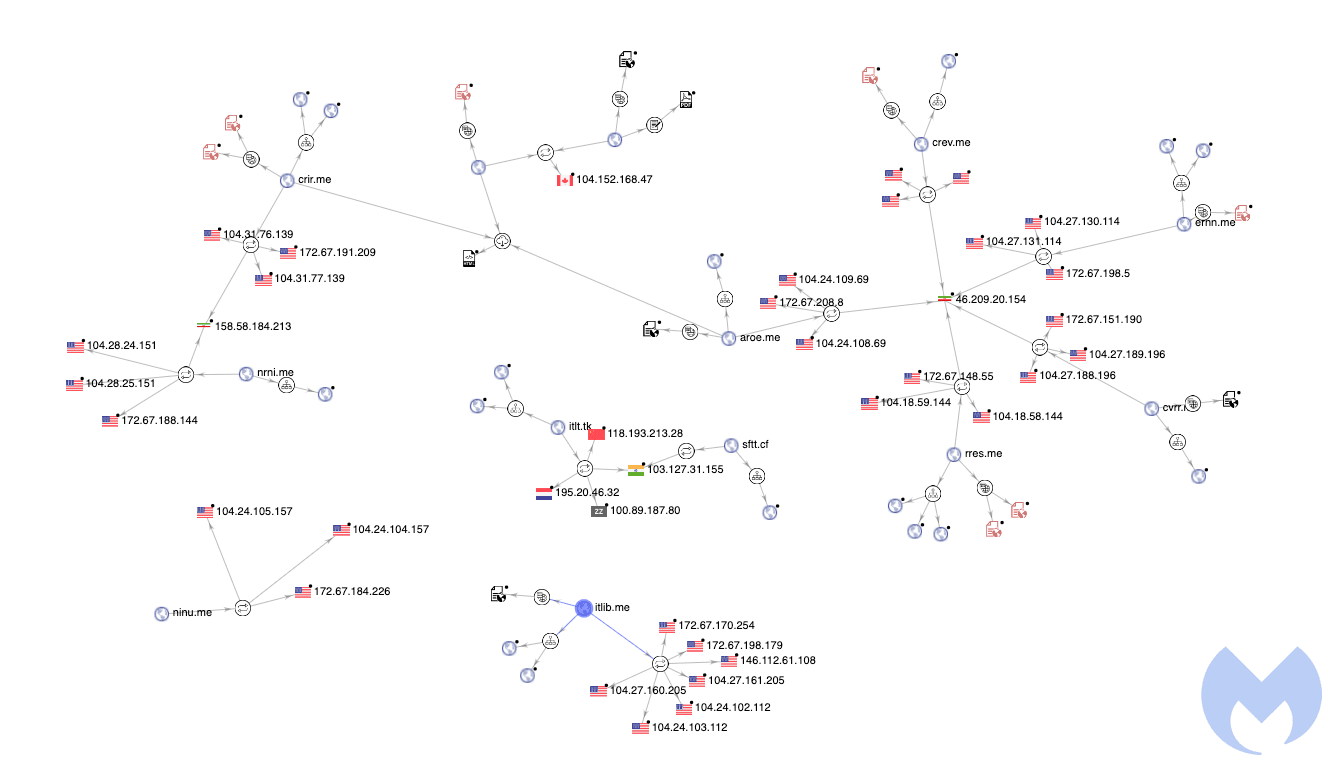
Since mid-September, researchers from Malwarebytes observed a new spear-phishing campaign carried out by the group that is expanding its target list to include more countries.
Silent Librarian hackers targeted both employees and students at the universities, experts noticed that the threat actor set up a new infrastructure to avoid a takeover.
“Considering that Iran is dealing with constant sanctions, it strives to keep up with world developments in various fields, including that of technology. As such, these attacks represent a national interest and are well funded,” states Malwarebytes. “The new domain names follow the same pattern as previously reported, except that they swap the top level domain name for another.”
The threat actor used domain names following a pattern observed in past campaigns, although they use a different top-level domain name (the “.me” TLD instead of “.tk” and “.cf”).

The hackers use Cloudflare for phishing hostnames in an attempt to hide the real hosting origin. Anyway, Malwarebytes was able to identify some of the infrastructure which was located in Iran, likely because it is considered a bulletproof hosting option due to the lack of cooperation between US and European law enforcement and local police in Iran.
“Clearly we only uncovered a small portion of this phishing operation. Although for the most part the sites are taken down quickly, the attacker has the advantage of being one step ahead and is going for many possible targets at once,” Malwarebytes concludes.
The security firm also published Indicators of Compromise (IoCs) for this campaign.
| [adrotate banner=”9″] | [adrotate banner=”12″] |
(SecurityAffairs – hacking, Silent Librarian)
[adrotate banner=”5″]
[adrotate banner=”13″]


