
The Quad7 botnet evolves and targets new SOHO devices, including Axentra media servers, Ruckus wireless routers and Zyxel VPN appliances.
The Sekoia TDR team identified additional implants associated with the Quad7 botnet operation. The botnet operators are targeting multiple SOHO devices and VPN appliances, including TP-LINK, Zyxel, Asus, D-Link, and Netgear, exploiting both known and previously unknown vulnerabilities.
The operators are maintaining the botnet for launching distributed brute-force attacks on VPNs, Telnet, SSH, and Microsoft 365 accounts.
Recently Sekoia published a new report on the Quad7 botnet (aka 7777 botnet, xlogin botnet) following the discovery of several staging servers, leading the experts to discover new targets, implants and botnet clusters associated with this threat actor.
The experts identified five distinct login clusters (alogin, xlogin, axlogin, rlogin, and zylogin) associated with these botnet operators. Some of these clusters specifically target Axentra media servers, Ruckus wireless routers and Zyxel VPN appliances.
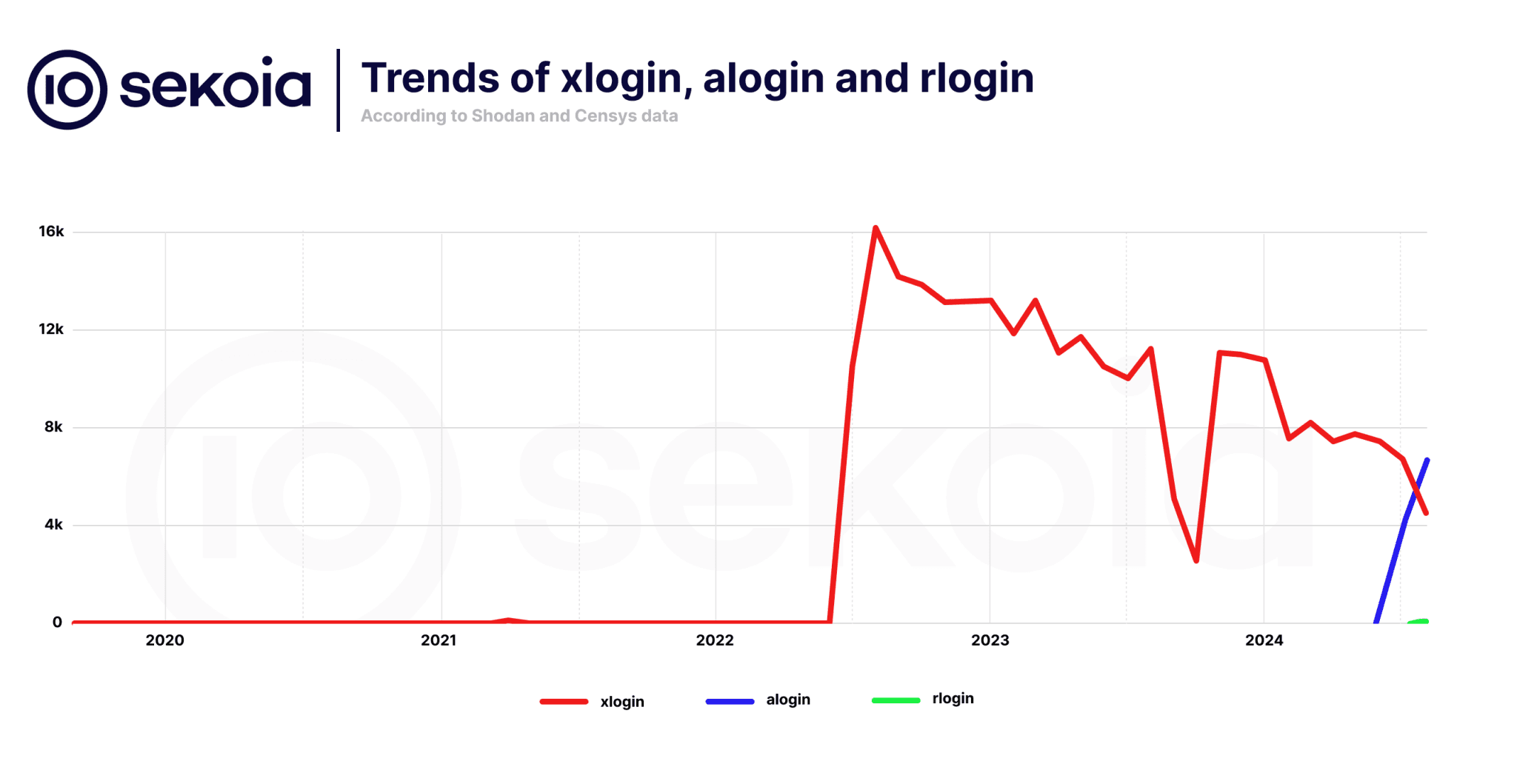
The Quad7 botnet is primarily composed of compromised TP-Link routers, with open ports for administration and proxy purposes. These routers are used to relay brute-force attacks on Microsoft 365 accounts. Similar botnets, like alogin and rlogin, target other devices, including Asus routers (alogin) and Ruckus Wireless devices (rlogin), each with distinct open ports for administration and proxy functions. The experts noticed that while alogin and xlogin have thousands of compromised devices, rlogin has only 213. Other variants like axlogin and zylogin target Axentra NAS and Zyxel VPNs respectively, but they are smaller and less observed.

The operators were also spotted using a new backdoor named ‘UPDTAE’ because of a typo. The backdoor establishes HTTP reverse shells to allow operators to remotely control the infected devices.
According to Sekoia, the operators have enhanced the botnet’s communication shifting away from using open SOCKS proxies for relaying malicious traffic in an attempt to evade detection. The botnet now uses the KCP protocol, which communicates over UDP via a new tool called FsyNet.
“The ConUdpServer is the module that listens on port 9999 using the KCP communication protocol is used over UDP. Kcp is a Chinese library that that implements the KCP protocol, offering the same properties as TCP but provides better latency at the cost of higher bandwidth consumption.” reads the report. “Once the KCP layer is removed, communications are encrypted using a combination of hard-coded keys and IVs, which are either derived from data within the message or hard-coded within the code.”
The Quad7 operators initially made mistakes, relying on open SOCKS proxies and poorly designed code, which exposed their activities. However, they are now adapting, learning from these errors, and developing new tools like HTTP reverse shells and using more secure communication protocols, such as KCP. These changes indicate a shift toward more stealthy tactics to evade detection.
The report includes Indicators of compromise (IoCS) for this botnet.
Follow me on Twitter: @securityaffairs and Facebook and Mastodon
(SecurityAffairs – hacking, botnet)


