
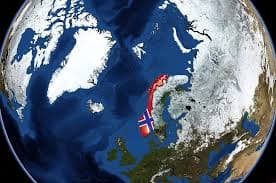
According to a government agencies around 300 oil and energy companies in Norway have been targeted by one of the biggest hacking campaign.
Nearly 300 oil and energy companies in Norway have been targeted by one of the biggest cyber attacks ever to happen in the country, a government source reported last week. The identities of the firms have not been disclosed at this time.
The hacking campaign comes in conjunction with an international meeting, the Offshore Northern Seas exhibition, in Norway’s oil capital of Stavanger. The meeting was attended by oil and gas industry executives from every part of the world, it is still unclear whether non-Norwegian oil and gas companies were also breached or targeted by hackers.
The Local reports that 50 companies in the oil industry have already been compromised while another 250 are at risk, including the Statoil, the country’s largest oil company. The attackers are using spear phishing attacks to trick companies’ executives into open malicious attachments.
Nasjonal Sikkerhetsmyndighet – Norway’s National Security Authority (NSM) has issued warnings to the companies that could be potentially hacked by threat actors.
NSM immediately alerted the oil and energy companies after being warned by “international contacts”, but its experts have no idea on the bad actors behind the campaign, neither has provided further details of the cyber attacks.
The Statoil’s spokesman, Orjan Haraldstveit, confirmed that the oil giant has received the warning by NSM and its staff is investigating on possible violations of the company infrastructure.
“Around 300 companies are getting warnings from us now, with concrete information where we ask them to look for specific things in their logs,” “”This is the largest warning we have ever carried out.” Hans Christian Pretorius, director of the operative division of NSM, told Newspaper Dagens Næringsliv (DN).
Statnett, the state-owned operator of Norway’s energy system, confirmed that it was among the firms targeted by hackers, but that companies succeeded to defend its networks. According to Norwegian site NewsinEnglish, Peer Olav Ostli of Statnett revealed that an employee received a malicious email containing a suspicious attachment.
“They (the hackers) have done research beforehand and gone after key functions and key personnel in the various companies. Emails that appear to be legitimate are sent to persons in important roles at the companies with attachments. If the targeted employees open the attachments, a destructive program will be unleashed that checks the target’s system for various holes in its security system. If a hole is found, the program will open a communications channel with the hackers and then the “really serious attack programs” can infect the targeted company’s computer system. The goal is to plant a Trojan or a virus on the machine. The first program just sets up contact. Then the attacker can sit outside and download damaging code.” added Pretorius.
According Petrorius the attackers were searching for persistence inside the networks of the targeted oil and energy companies, threat actors were trying to install malware to syphon sensitive information from the organizations.

In 2011, at least 10 firms in the Norwegian oil industry were breached by a group of hackers which compromised company network stealing sensitive data, including industrial project, login credentials and contracts.
As explained by Pretorius, the experts are assisting to a worrying increase in the number of cyber attacks on companies in the energy industry.
“We’ve had a 100 percent increase compared to 2013 already this year,” “And we don’t know what the autumn will bring.” NSM is now trying to work closely with companies to help them and help the agency itself track methods used in the attacks.
The government warning also includes specific instructions to IT manager for the detection of evidence of attacks on their networks.
(Security Affairs – oil and energy industry, cyber espionage)


