
North Korea-linked threat actors associated with North Korea exploited a zero-day flaw in attacks against cybersecurity experts.
North Korea-linked threat actors were observed exploiting a zero-day vulnerability in an unnamed software to target cybersecurity researchers.
The attacks that took place in the past weeks were detected by researchers at Google’s Threat Analysis Group (TAG).
“Recently, TAG became aware of a new campaign likely from the same actors based on similarities with the previous campaign. TAG is aware of at least one actively exploited 0-day being used to target security researchers in the past several weeks. The vulnerability has been reported to the affected vendor and is in the process of being patched.” reads the advisory published by Google TAG.
The cyberspies used fake accounts on social media sites like X and Mastodon to get in touch with victims.

In one of the cases analyzed by TAG, the attackers carried on a months-long conversation with the target., The cyberspies used to propose a collaboration with a security researcher on topics of mutual interest.
Once the attackers establish contact with the target via a social media site, they move to an encrypted messaging app such as Signal, WhatsApp or Wire.
Once the attackers have established relationship with a targeted researcher, they sent a malicious file that contained at least one 0-day in a popular software package.
“Upon successful exploitation, the shellcode conducts a series of anti-virtual machine checks and then sends the collected information, along with a screenshot, back to an attacker-controlled command and control domain. The shellcode used in this exploit is constructed in a similar manner to shellcode observed in previous North Korean exploits.” reads the report published by Google TAG researchers security researchers Clement Lecigne and Maddie Stone. “The vulnerability has been reported to the affected vendor and is in the process of being patched. Once patched, we will release additional technical details and analysis of the exploits involved in line with our disclosure policies.”
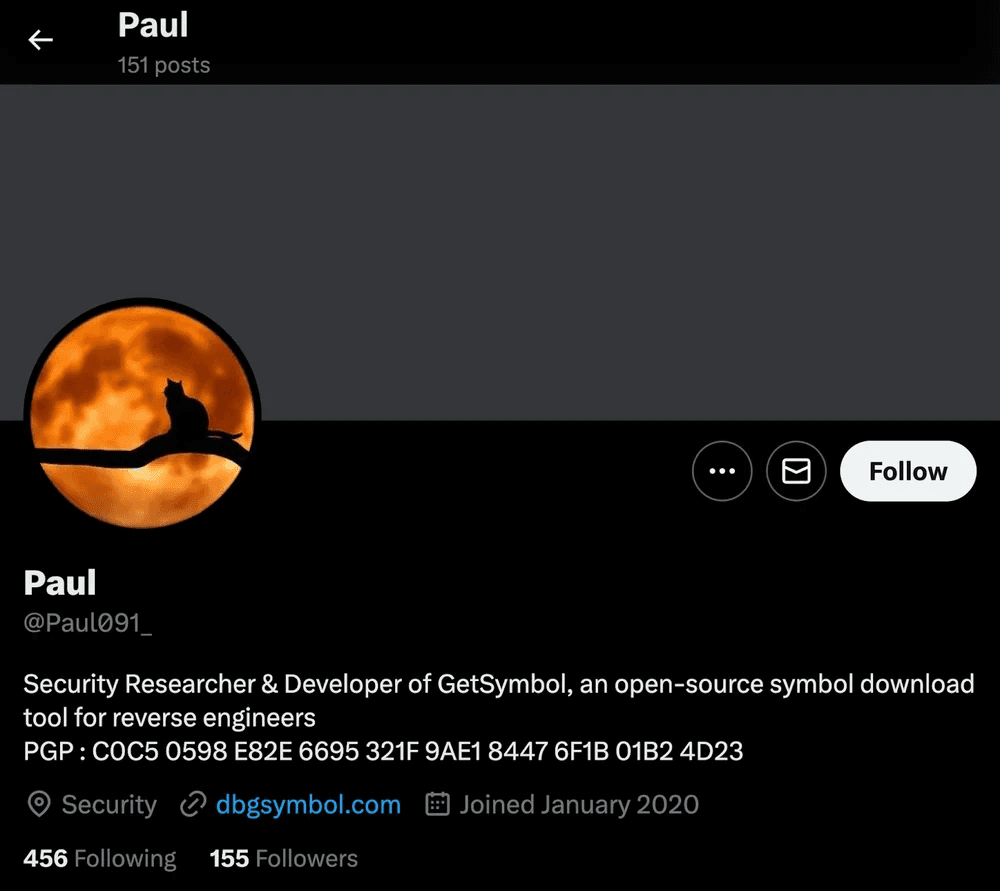
North Korea-linked threat actors also used a custom standalone Windows tool that has the stated goal of ‘download debugging symbols from Microsoft, Google, Mozilla and Citrix symbol servers for reverse engineers.’ The source code of this tool was first published on GitHub on September 30, 2022 and it received several updates.
The tool was designed to enable the attackers to download and execute arbitrary code.
“If you have downloaded or run this tool, TAG recommends taking precautions to ensure your system is in a known clean state, likely requiring a reinstall of the operating system.” concludes the report that also include a list of actor controlled sites and accounts.
Follow me on Twitter: @securityaffairs and Facebook and Mastodon
(SecurityAffairs – hacking, North Korea-linked threat actors)


