
U.S. CISA adds a Microsoft SharePoint Server flaw to its Known Exploited Vulnerabilities catalog|430,000 FortiGate Devices Exposed in FortiBleed Ransomware Link|Adobe fixed multiple maximum-severity flaws in ColdFusion and Campaign Classic|Alleged Scattered Spider Hacker Extradited to U.S. to Face Cybercrime Charges|Oracle E-Business Suite Flaw Under Active Attack, 950 Systems Exposed|Azure CLI Targeted in LSHIY Password Spray Campaign Across 64 Orgs|CISA Warns BlueHammer Flaw Is Now Exploited in Ransomware Attacks|RustDuck: The Botnet That’s Still Small but Engineering Like It Plans to Grow|GuardFall Flaw Hits 10 of 11 Popular Open-Source AI Agents|XSS.is, The Forum That Ran the Ransomware Supply Chain Is Down. The Market Isn’t|U.S. CISA adds SimpleHelp flaw to its Known Exploited Vulnerabilities catalog|Hackers Steal Data of 4.38 Million Aflac Japan Customers|U.S. CISA adds a Microsoft SharePoint Server flaw to its Known Exploited Vulnerabilities catalog|430,000 FortiGate Devices Exposed in FortiBleed Ransomware Link|Adobe fixed multiple maximum-severity flaws in ColdFusion and Campaign Classic|Alleged Scattered Spider Hacker Extradited to U.S. to Face Cybercrime Charges|Oracle E-Business Suite Flaw Under Active Attack, 950 Systems Exposed|Azure CLI Targeted in LSHIY Password Spray Campaign Across 64 Orgs|CISA Warns BlueHammer Flaw Is Now Exploited in Ransomware Attacks|RustDuck: The Botnet That’s Still Small but Engineering Like It Plans to Grow|GuardFall Flaw Hits 10 of 11 Popular Open-Source AI Agents|XSS.is, The Forum That Ran the Ransomware Supply Chain Is Down. The Market Isn’t|U.S. CISA adds SimpleHelp flaw to its Known Exploited Vulnerabilities catalog|Hackers Steal Data of 4.38 Million Aflac Japan Customers|
Advertisement

Ad Placeholder

Full Width × 90

Breaking News

MWZLesson POS Trojan borrows code from other malware

Security experts at Doctor Web have discovered a new PoS Trojan dubbed MWZLesson that borrows code from other popular malicious software. Security experts at Dr. Web have discovered a new PoS Trojan that was designed by mixing code from other malware. The new PoS Trojan, dubbed Trojan.MWZLesson, was designed reusing the code of other popular malware, including the Dexter PoS […]

MWZLesson POS Trojan borrows code from other malware

Security experts at Doctor Web have discovered a new PoS Trojan dubbed MWZLesson that borrows code from other popular malicious software.

Security experts at Dr. Web have discovered a new PoS Trojan that was designed by mixing code from other malware.

The new PoS Trojan, dubbed Trojan.MWZLesson, was designed reusing the code of other popular malware, including the Dexter PoS and the Neutrino backdoor.

“This code was borrowed from another Trojan designed for POS terminals and named Trojan.PWS.Dexter. The malware sends all acquired bank card data and other intercepted information to the command and control server.” states the blog post published by Dr. Web.
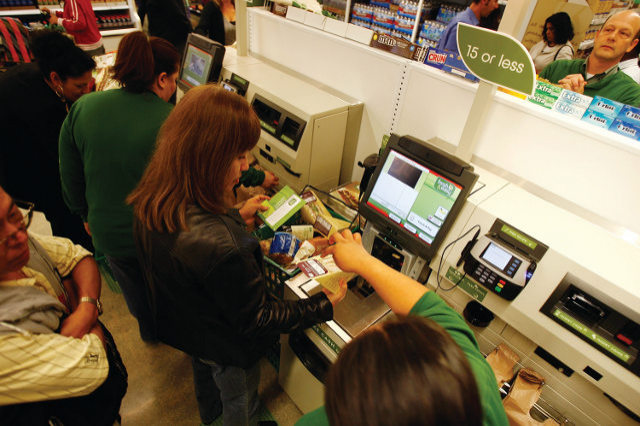
Dexter malware PoS Trojan

Like its predecessors, MWZLesson compromises the POS terminals, scraping the RAM memory to search for credit card data. Once infected the PoS system, the malware communicates with the server over the HTTP protocol, it steals card data and sends it to the command and control server through GET and POST requests.

Trojan.MWZLesson can intercept GET and POST requests sent from the infected machine’s browsers (Firefox, Chrome or Internet Explorer). Such requests are forwarded to the command and control server run by cybercriminals.” continues the post.
Trojan.MWZLesson can update itself, download and run additional files, find specific documents, and even mount an HTTP Flood attack.

The experts at Dr.Web discovered that the Trojan.MWZLesson also implements features to avoid detection and eradicate other malware that infected the PoS malware.

“Trojan.MWZLesson checks for virtual environments and debuggers and gather information on the infected machine. The newly discovered PoS malware is able to remove other malware present on the machine and is able to exfiltrate different kinds of data.”

The discovery of the Trojan.MWZLesson confirms the great interest of the criminal crews in infecting POS terminals and their abilities in recyclying code of older and efficient malware.  

[adrotate banner=”9″]

Pierluigi Paganini

(Security Affairs – PoS Trojan, cybercrime)


