
Europe Confirms Record €4.1B Penalty Against Google for Android Practices|U.S. CISA adds a Microsoft SharePoint Server flaw to its Known Exploited Vulnerabilities catalog|430,000 FortiGate Devices Exposed in FortiBleed Ransomware Link|Adobe fixed multiple maximum-severity flaws in ColdFusion and Campaign Classic|Alleged Scattered Spider Hacker Extradited to U.S. to Face Cybercrime Charges|Oracle E-Business Suite Flaw Under Active Attack, 950 Systems Exposed|Azure CLI Targeted in LSHIY Password Spray Campaign Across 64 Orgs|CISA Warns BlueHammer Flaw Is Now Exploited in Ransomware Attacks|RustDuck: The Botnet That’s Still Small but Engineering Like It Plans to Grow|GuardFall Flaw Hits 10 of 11 Popular Open-Source AI Agents|XSS.is, The Forum That Ran the Ransomware Supply Chain Is Down. The Market Isn’t|U.S. CISA adds SimpleHelp flaw to its Known Exploited Vulnerabilities catalog|Europe Confirms Record €4.1B Penalty Against Google for Android Practices|U.S. CISA adds a Microsoft SharePoint Server flaw to its Known Exploited Vulnerabilities catalog|430,000 FortiGate Devices Exposed in FortiBleed Ransomware Link|Adobe fixed multiple maximum-severity flaws in ColdFusion and Campaign Classic|Alleged Scattered Spider Hacker Extradited to U.S. to Face Cybercrime Charges|Oracle E-Business Suite Flaw Under Active Attack, 950 Systems Exposed|Azure CLI Targeted in LSHIY Password Spray Campaign Across 64 Orgs|CISA Warns BlueHammer Flaw Is Now Exploited in Ransomware Attacks|RustDuck: The Botnet That’s Still Small but Engineering Like It Plans to Grow|GuardFall Flaw Hits 10 of 11 Popular Open-Source AI Agents|XSS.is, The Forum That Ran the Ransomware Supply Chain Is Down. The Market Isn’t|U.S. CISA adds SimpleHelp flaw to its Known Exploited Vulnerabilities catalog|
Advertisement

Ad Placeholder

Full Width × 90

Breaking News

Microsoft confirmed it won’t fix kernel issue that could be exploited to evade antivirus

A design flaw within the Windows kernel could be exploited by attackers to evade antivirus and stop them from recognizing malware. A design flaw within the Windows kernel is the root cause for antivirus stopping from recognizing malware, and the bad news is that Microsoft won’t fix it because the tech giant doesn’t consider it as a […]

PsSetLoadImageNotifyRoutine kernel flaw

A design flaw within the Windows kernel could be exploited by attackers to evade antivirus and stop them from recognizing malware.

A design flaw within the Windows kernel is the root cause for antivirus stopping from recognizing malware, and the bad news is that Microsoft won’t fix it because the tech giant doesn’t consider it as a security issue.

The vulnerability was discovered a few days ago by the security researcher Omri Misgav from enSilo , it affects the system call PsSetLoadImageNotifyRoutine that is still active in the latest builds of Microsoft OSs.

“During research into the Windows kernel, we came across an interesting issue with PsSetLoadImageNotifyRoutine which as its name implies, notifies of module loading.” Misgav wrote in a blog post.

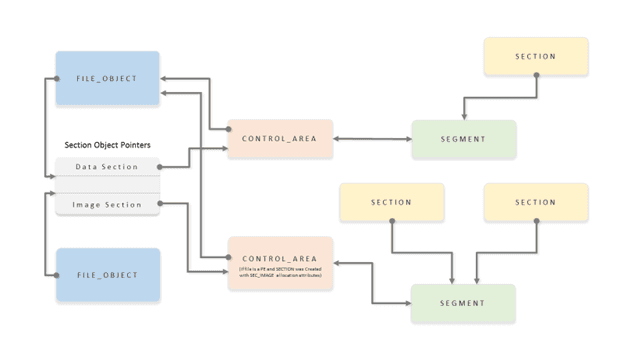
Microsoft kernel issue PsSetLoadImageNotifyRoutine

PsSetLoadImageNotifyRoutine is used also by antivirus to check the presence of malware in memory, but the issue could be tricked to deceive the defense solutions.

“The thing is, after registering a notification routine for loaded PE images with the kernel, the callback may receive invalid image names. After digging into the matter, what started as a seemingly random issue proved to originate from a coding error in the Windows kernel itself.” continues the analysis.

The mechanism notifies registered drivers when a PE image file has been loaded into virtual memory (kernel\user space).

The notification routine could be invoked in the following cases:

  • Loading drivers
  • Starting new processes
    • Process executable image
    • System DLL: ntdll.dll (2 different binaries for WoW64 processes)
  • Runtime loaded PE images – import table, LoadLibrary, LoadLibraryEx, NtMapViewOfSection.

The flaw could be exploited by malware to provide antivirus benign executables to inspect rather than their malicious code.executables to inspect rather than their malicious code.executables to inspect rather than their malicious code.

enSilo reported the issue to Microsoft and this is their reply:

“Our engineers reviewed the information and determined this does not pose a security threat and we do not plan to address it with a security update.”

[adrotate banner=”9″]adrotate banner=”9″]adrotate banner=”9″]

Pierluigi Paganini

(Security Affairs – Microsoft, hacking)

[adrotate banner=”12″]adrotate banner=”12″]adrotate banner=”12″]


