
Security Affairs
Dark Caracal Deploys New Go Malware With Ethereum-Based C2 Fallback|Australian Police Charge Two Over TeamPCP Credential Theft|Meta to Pay Up to $18B Over Teen Social Media Use|CISA Warns Water Utilities: Find Your Exposed PLCs Before Attackers Do|OpenAI banned Russian ChatGPT accounts backing covert influence operation|CISA Red Team Fully Compromised Two Critical Infrastructure Orgs|FBI Seizes China-Linked Hacking Platforms QScan and QTRouter Used Against Critical Infrastructure|U.S. CISA adds Gitea flaw to its Known Exploited Vulnerabilities catalog|88 ID Verification Breaches Show the Cost of Collecting Identity Data|WhatsApp Adds Stronger Security as Passkeys Hit 1 Billion|Operation Jackal: 58 Arrests Expose the Money Laundering Machine Behind Global Scams|Norway ’s Digital Government Infrastructure Hit by a new DDoS Attack|Dark Caracal Deploys New Go Malware With Ethereum-Based C2 Fallback|Australian Police Charge Two Over TeamPCP Credential Theft|Meta to Pay Up to $18B Over Teen Social Media Use|CISA Warns Water Utilities: Find Your Exposed PLCs Before Attackers Do|OpenAI banned Russian ChatGPT accounts backing covert influence operation|CISA Red Team Fully Compromised Two Critical Infrastructure Orgs|FBI Seizes China-Linked Hacking Platforms QScan and QTRouter Used Against Critical Infrastructure|U.S. CISA adds Gitea flaw to its Known Exploited Vulnerabilities catalog|88 ID Verification Breaches Show the Cost of Collecting Identity Data|WhatsApp Adds Stronger Security as Passkeys Hit 1 Billion|Operation Jackal: 58 Arrests Expose the Money Laundering Machine Behind Global Scams|Norway ’s Digital Government Infrastructure Hit by a new DDoS Attack|
Advertisement

Ad Placeholder

Full Width × 90

Breaking News

MasterCard is testing selfies to replace passwords for online payments

MasterCard is testing a new facial recognition technology that would let customers to authenticate themselves by taking a selfie. Financial organizations are working to increase the efficiency of authentication processes and at the same time to improve the users’ experience. The majority of the financial organization are looking with interest to biometric, a recent survey […]

MasterCard is testing selfies to replace passwords for online payments

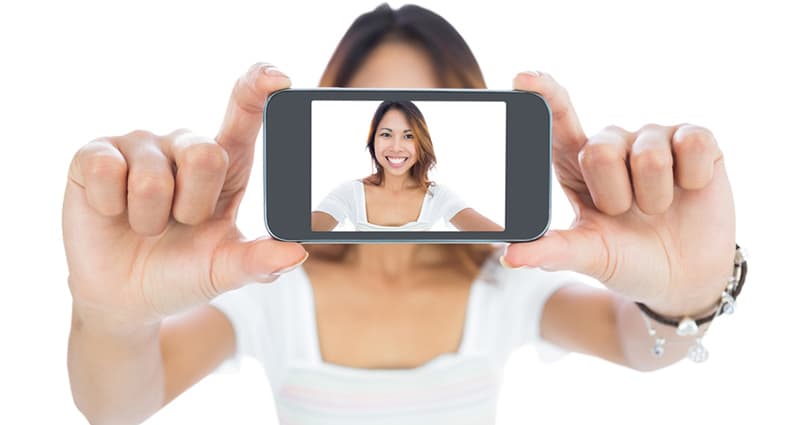
MasterCard is testing a new facial recognition technology that would let customers to authenticate themselves by taking a selfie.

Financial organizations are working to increase the efficiency of authentication processes and at the same time to improve the users’ experience.

The majority of the financial organization are looking with interest to biometric, a recent survey conducted with UK consumers revealed that 24% of them agree to share DNA data with their banks to implement a secure authentication.

MasterCard is working to use selfies as instead of passwords to make online transactions.

According to the Daily Telegraph, users can make purchases by taking a selfie using a mobile app developed by Mastercard. The use of the selfies aims to replace SecureCode system currently adopted by MasterCard to verify the identity of its customers while shopping online. Today users have to enter a password at the point of sale to validate the transaction and proceed at the checkout.

Mastercard selfie

On the technical point of view, the mobile app is able to convert the selfie into a unique binary string by exploiting facial recognition technology. The verification is made by comparing this string with a stored code held by Mastercard. If the two codes match up, then the transaction will be authorized by Mastercard.

MasterCard is currently testing the selfie based authentication with a group of 500 consumers, the intent is to gradually extend it to other customers of the financial institution.

The company is also testing other authentication methods, including fingerprint scanning and voice recognition.

“We want to identify people for who they are, not what they remember,” said MasterCard executive Ajay Bhalla in an interview with CNN Money. “We have too many passwords to remember and this creates extra problems for consumers and businesses. The new generation, which is into selfies … I think they’ll find it cool. They’ll embrace it.”

Pierluigi Paganini

(Security Affairs – Authentication, selfie)


