
Europe Confirms Record €4.1B Penalty Against Google for Android Practices|U.S. CISA adds a Microsoft SharePoint Server flaw to its Known Exploited Vulnerabilities catalog|430,000 FortiGate Devices Exposed in FortiBleed Ransomware Link|Adobe fixed multiple maximum-severity flaws in ColdFusion and Campaign Classic|Alleged Scattered Spider Hacker Extradited to U.S. to Face Cybercrime Charges|Oracle E-Business Suite Flaw Under Active Attack, 950 Systems Exposed|Azure CLI Targeted in LSHIY Password Spray Campaign Across 64 Orgs|CISA Warns BlueHammer Flaw Is Now Exploited in Ransomware Attacks|RustDuck: The Botnet That’s Still Small but Engineering Like It Plans to Grow|GuardFall Flaw Hits 10 of 11 Popular Open-Source AI Agents|XSS.is, The Forum That Ran the Ransomware Supply Chain Is Down. The Market Isn’t|U.S. CISA adds SimpleHelp flaw to its Known Exploited Vulnerabilities catalog|Europe Confirms Record €4.1B Penalty Against Google for Android Practices|U.S. CISA adds a Microsoft SharePoint Server flaw to its Known Exploited Vulnerabilities catalog|430,000 FortiGate Devices Exposed in FortiBleed Ransomware Link|Adobe fixed multiple maximum-severity flaws in ColdFusion and Campaign Classic|Alleged Scattered Spider Hacker Extradited to U.S. to Face Cybercrime Charges|Oracle E-Business Suite Flaw Under Active Attack, 950 Systems Exposed|Azure CLI Targeted in LSHIY Password Spray Campaign Across 64 Orgs|CISA Warns BlueHammer Flaw Is Now Exploited in Ransomware Attacks|RustDuck: The Botnet That’s Still Small but Engineering Like It Plans to Grow|GuardFall Flaw Hits 10 of 11 Popular Open-Source AI Agents|XSS.is, The Forum That Ran the Ransomware Supply Chain Is Down. The Market Isn’t|U.S. CISA adds SimpleHelp flaw to its Known Exploited Vulnerabilities catalog|
Advertisement

Ad Placeholder

Full Width × 90

Breaking News

New MacStealer macOS malware appears in the cybercrime underground

A new MacStealer macOS malware allows operators to steal iCloud Keychain data and passwords from infected systems. Uptycs researchers team discovered a new macOS information stealer, called MacStealer, which allows operators to steal iCloud Keychain data and passwords from infected systems. The macOS malware can steal documents, credit card data, cookies from a victim’s browser […]

MacStealer macOS malware

A new MacStealer macOS malware allows operators to steal iCloud Keychain data and passwords from infected systems.

Uptycs researchers team discovered a new macOS information stealer, called MacStealer, which allows operators to steal iCloud Keychain data and passwords from infected systems.

The macOS malware can steal documents, credit card data, cookies from a victim’s browser (i.e. Firefox, Google Chrome, and Brave browsers), and login information.

The malicious code can steal Microsoft Office files, images, archives, and Python scripts.

It can infect Catalina and subsequent macOS versions running on Intel M1 and M2 CPUs.

The operators can control its MacStealers’ operations over Telegram.

The malware was advertised on cybercrime forums since early March, it is under active development and its operators planned to add new features to capture data from Apple’s Safari browser and the Notes app.

MacStealer macOS malware

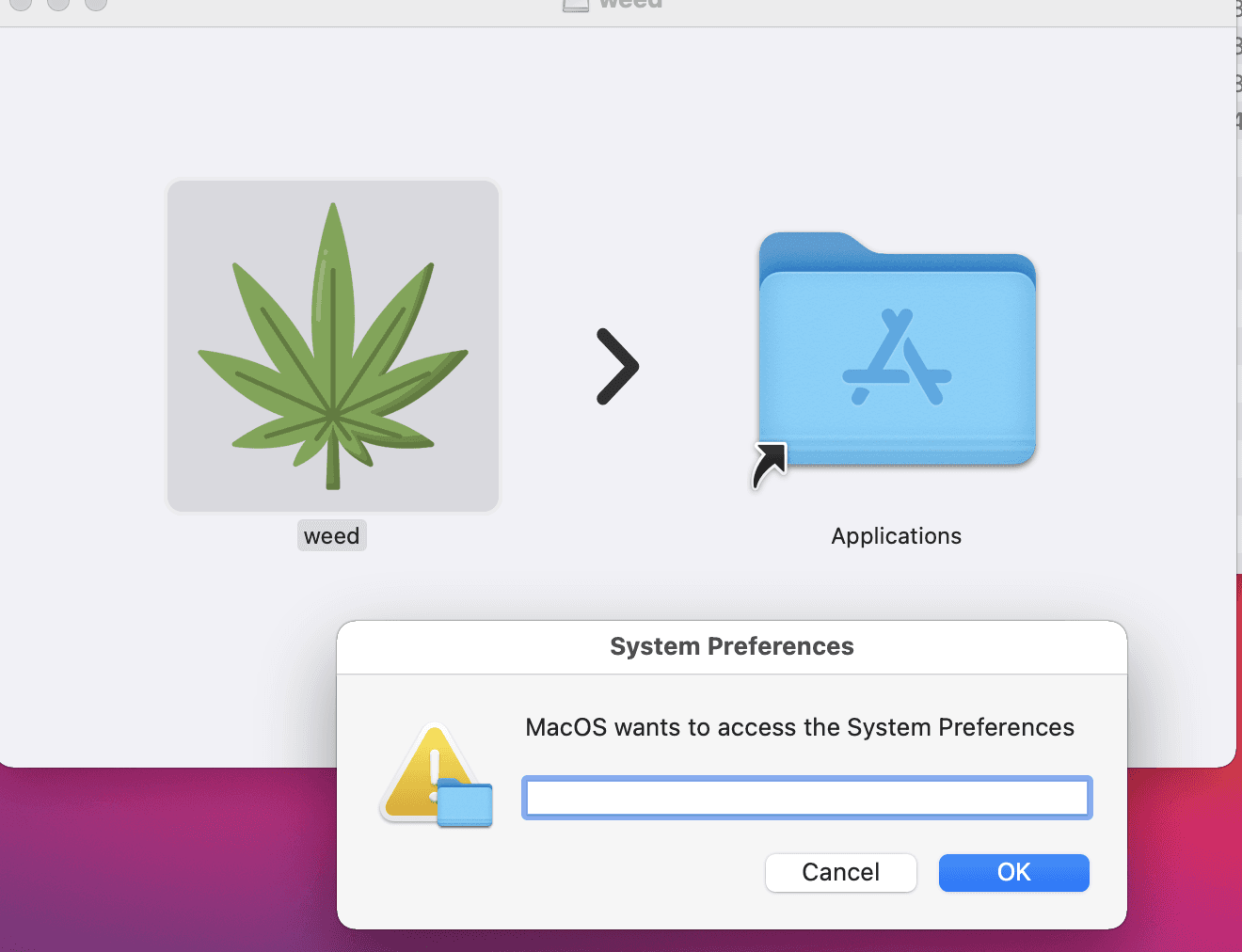
The malware spreads through a .DMG file, and upon opening the file, it opens a fake password prompt to gather passwords using a command line.

MacStealer macOS malware

“Once the user enters their login credentials, the stealer gathers data as described in the MacStealer’s features section. It stores it in the following system directory. 

“/var/folders/{name}/{randomname}/T/{randomname}/files/{different folders}”

The stealer then ZIPs up the data and sends it to C2 via a POST request using a Python User-Agent request (figures 8 and 9).” reads the analysis published by Uptycs. “It deletes the data and ZIP file from the victim’s system during a subsequent mop-up operation.”

The MacStealer transmits selected information to the listed Telegram channels.

The report also provides Indicators of Compromise (IoCs).

Follow me on Twitter: @securityaffairs and Facebook and Mastodon

Pierluigi Paganini

(SecurityAffairs – hacking, MacStealer macOS malware)


