
U.S. CISA adds a Microsoft SharePoint Server flaw to its Known Exploited Vulnerabilities catalog|430,000 FortiGate Devices Exposed in FortiBleed Ransomware Link|Adobe fixed multiple maximum-severity flaws in ColdFusion and Campaign Classic|Alleged Scattered Spider Hacker Extradited to U.S. to Face Cybercrime Charges|Oracle E-Business Suite Flaw Under Active Attack, 950 Systems Exposed|Azure CLI Targeted in LSHIY Password Spray Campaign Across 64 Orgs|CISA Warns BlueHammer Flaw Is Now Exploited in Ransomware Attacks|RustDuck: The Botnet That’s Still Small but Engineering Like It Plans to Grow|GuardFall Flaw Hits 10 of 11 Popular Open-Source AI Agents|XSS.is, The Forum That Ran the Ransomware Supply Chain Is Down. The Market Isn’t|U.S. CISA adds SimpleHelp flaw to its Known Exploited Vulnerabilities catalog|Hackers Steal Data of 4.38 Million Aflac Japan Customers|U.S. CISA adds a Microsoft SharePoint Server flaw to its Known Exploited Vulnerabilities catalog|430,000 FortiGate Devices Exposed in FortiBleed Ransomware Link|Adobe fixed multiple maximum-severity flaws in ColdFusion and Campaign Classic|Alleged Scattered Spider Hacker Extradited to U.S. to Face Cybercrime Charges|Oracle E-Business Suite Flaw Under Active Attack, 950 Systems Exposed|Azure CLI Targeted in LSHIY Password Spray Campaign Across 64 Orgs|CISA Warns BlueHammer Flaw Is Now Exploited in Ransomware Attacks|RustDuck: The Botnet That’s Still Small but Engineering Like It Plans to Grow|GuardFall Flaw Hits 10 of 11 Popular Open-Source AI Agents|XSS.is, The Forum That Ran the Ransomware Supply Chain Is Down. The Market Isn’t|U.S. CISA adds SimpleHelp flaw to its Known Exploited Vulnerabilities catalog|Hackers Steal Data of 4.38 Million Aflac Japan Customers|
Advertisement

Ad Placeholder

Full Width × 90

Breaking News

LockBit 3.0 affiliate sideloads Cobalt Strike through Windows Defender

An affiliate of the LockBit 3.0 RaaS operation has been abusing the Windows Defender command-line tool to deploy Cobalt Strike payloads. During a recent investigation, SentinelOne researchers observed threat actors associated with the LockBit 3.0 ransomware-as-a-service (RaaS) operation abusing the Windows Defender command line tool MpCmdRun.exe to decrypt and load Cobalt Strike payloads. The attackers initially compromise the target […]

LockBit 3.0

An affiliate of the LockBit 3.0 RaaS operation has been abusing the Windows Defender command-line tool to deploy Cobalt Strike payloads.

During a recent investigation, SentinelOne researchers observed threat actors associated with the LockBit 3.0 ransomware-as-a-service (RaaS) operation abusing the Windows Defender command line tool MpCmdRun.exe to decrypt and load Cobalt Strike payloads.

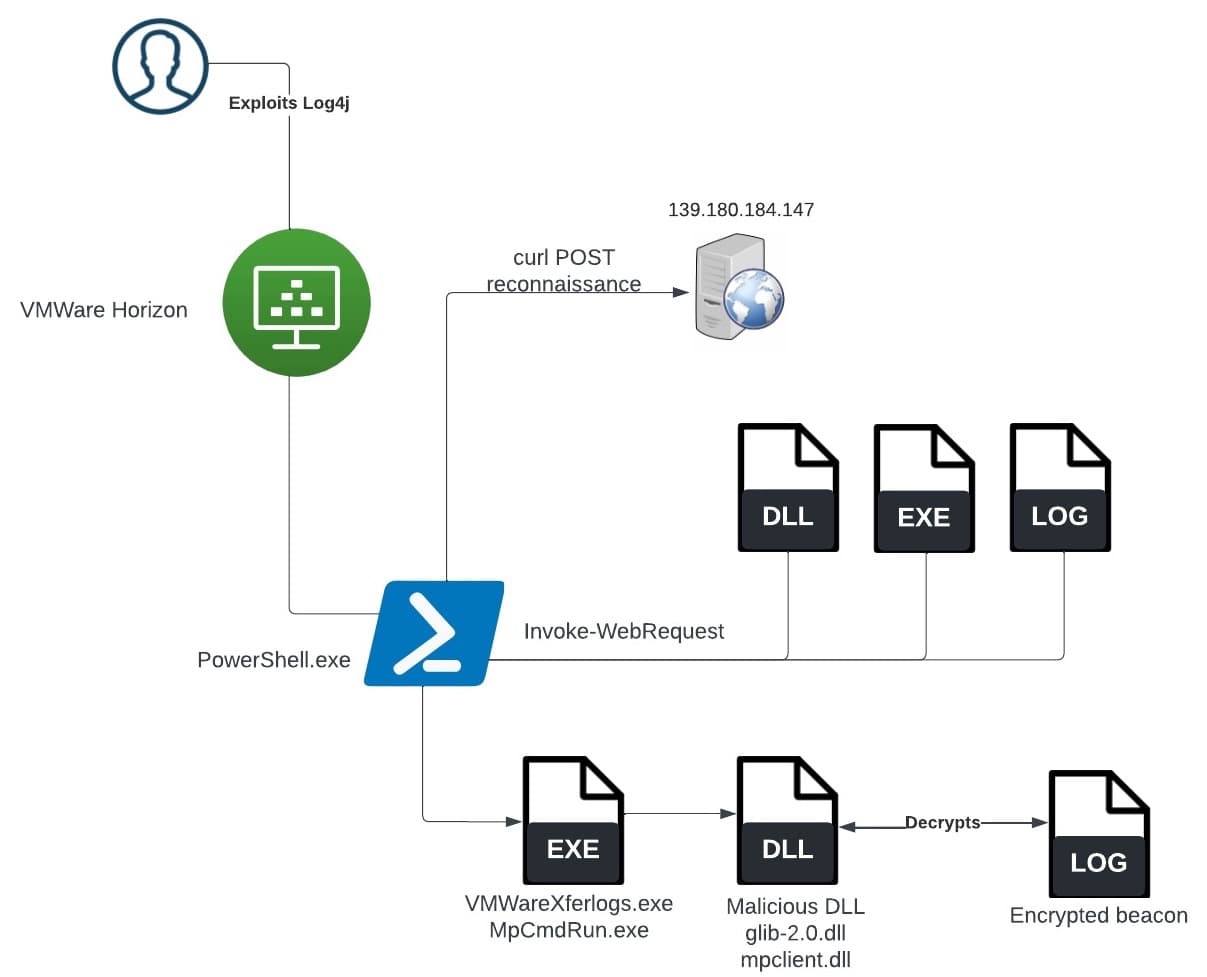
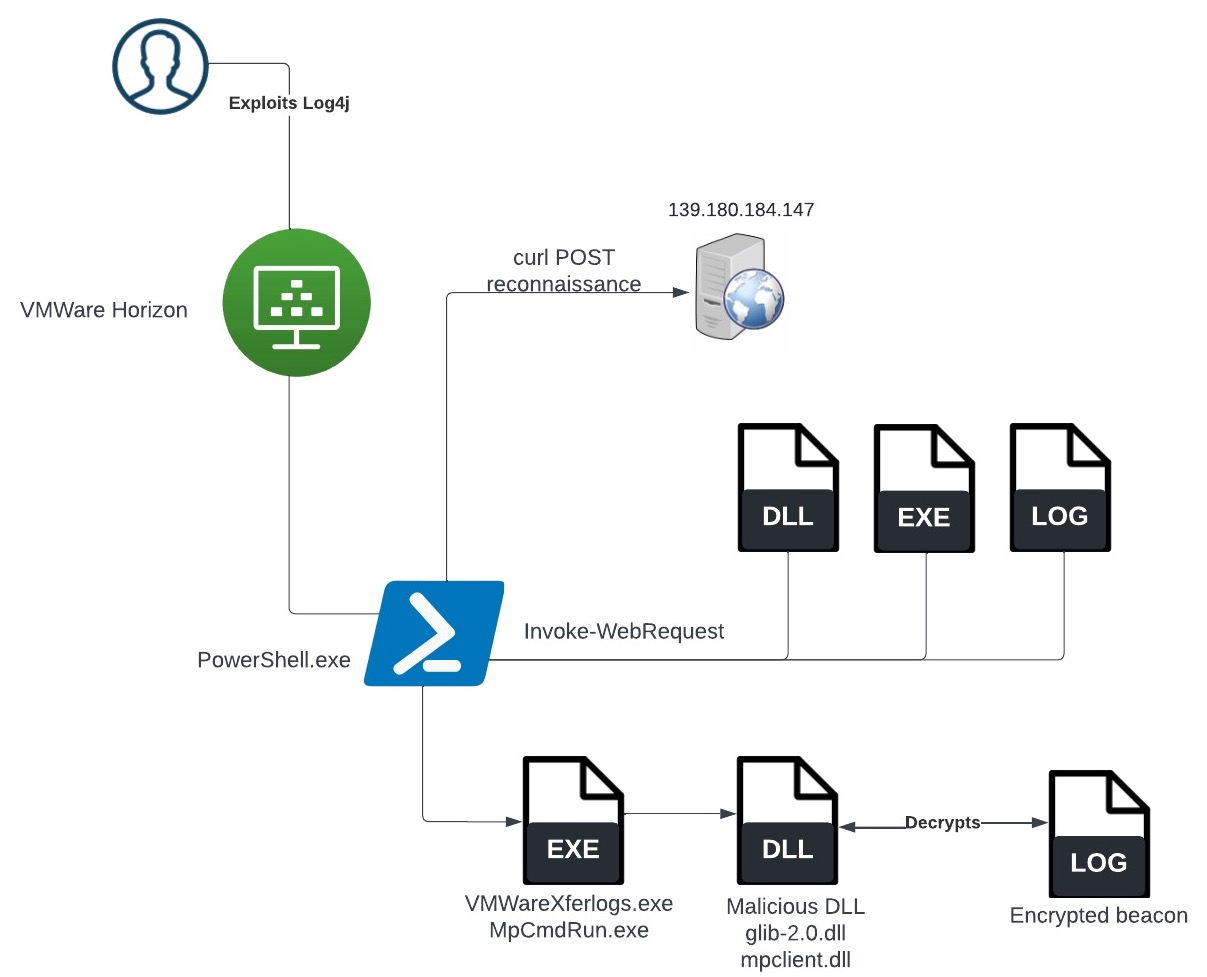
The attackers initially compromise the target networks by exploiting the Log4j vulnerability affecting an unpatched VMWare Horizon Server. The attackers modified the Blast Secure Gateway component of the application by installing a web shell using PowerShell code that is detailed here.

Once gained a foothold in the target system, the attackers performed a series of enumeration commands and attempted to run multiple post-exploitation tools, including Meterpreter, PowerShell Empire and used a new technique to side-load Cobalt Strike.
LockBit 3.0

“In particular, when attempting to execute Cobalt Strike we observed a new legitimate tool used for side-loading a malicious DLL, that decrypts the payload.” reads the analysis published by SentinelOne. “Previously observed techniques to evade defenses by removing EDR/EPP’s userland hooks, Event Tracing for Windows and Antimalware Scan Interface were also observed.”

SentinelOne highlights the importance of sharing information on the exploitation of novel “living off the land” tools to drop Cobalt Strike beacons and evade detection of common security solutions.

MpCmdRun.exe is a command-line tool for carrying out various functions in Microsoft Defender Antivirus, including scanning for malicious software, collecting diagnostic data, and restoring the service to a previous version, among others.

“Importantly, tools that should receive careful scrutiny are any that either the organization or the organization’s security software have made exceptions for. Products like VMware and Windows Defender have a high prevalence in the enterprise and a high utility to threat actors if they are allowed to operate outside of the installed security controls.” concludes the analysis.

Follow me on Twitter: @securityaffairs and Facebook

[adrotate banner=”9″][adrotate banner=”12″]

Pierluigi Paganini

(SecurityAffairs – hacking, LockBit 3.0)

[adrotate banner=”5″]

[adrotate banner=”13″]


