
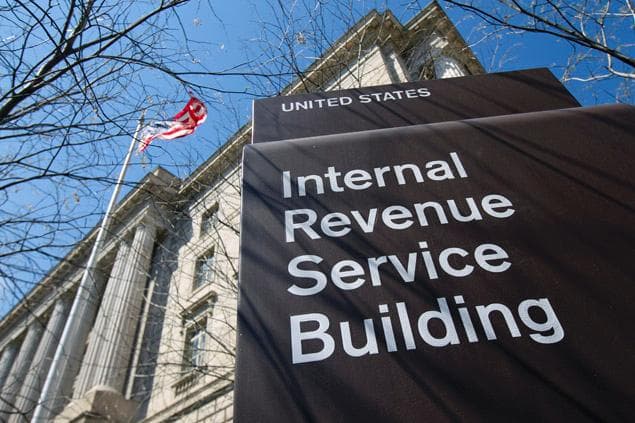
It is a nightmare for taxpayers according to an IRS bulletin there is a 400 percent surge in tax-related phishing and malware incidents.
This year the IRS already reported 1,026 malware and phishing incidents, compared to 254 this time last year.
The IRS is warning taxpayers of newer forms of attacks aiming victims into disclosing credentials to third-party tax preparation service accounts.
“The Internal Revenue Service renewed a consumer alert for e-mail schemes after seeing an approximate 400 percent surge in phishing and malware incidents so far this tax season.” states the bulletin. “The emails are designed to trick taxpayers into thinking these are official communications from the IRS or others in the tax industry, including tax software companies. The phishing schemes can ask taxpayers about a wide range of topics. E-mails can seek information related to refunds, filing status, confirming personal information, ordering transcripts and verifying PIN information.”
The IRS Commissioner John Koskinen used the adjective “dramatic” to describe this surge in tax-related incidents inviting taxpayers to watch out for scammers.
“This dramatic jump in these scams comes at the busiest time of tax season,” said Koskinen. “Watch out for fraudsters slipping these official-looking emails into inboxes, trying to confuse people at the very time they work on their taxes. We urge people not to click on these emails.”

Threat actors are very interested in using the tax season as a lure, in a common attack scenario victims receive an email containing links to the domain used to serve malware. In other cases, the attackers used emails with attachments that include documents embedding malicious macros. Once the victims open the document, the macro drops a malware on the victim’s machine, including dreaded ransomware like CryptoLocker, TeslaCrypt and Locky.
These are the alarming statistics provided by the IRS:
- There were 1,026 incidents reported in January, up from 254 from a year earlier.
- The trend continued in February, nearly doubling the reported number of incidents compared to a year ago. In all, 363 incidents were reported from Feb. 1-16, compared to the 201 incidents reported for the entire month of February 2015.
- This year’s 1,389 incidents have already topped the 2014 yearly total of 1,361, and they are halfway to matching the 2015 total of 2,748.
Recently IRS services were abused by crooks to target taxpayers, in May 2015 the Internal Revenue Service was breached by hackers that “used an online service provided by the agency” to access data for more than 100,000 taxpayers. The IRS issued an official statement on the incident and specified that the compromised system was “Get Transcript.” The Transcript service could be used by taxpayers to get a transcript online or by mail to view their tax account transactions.
In August 2015, the Internal Revenue Service disclosed a new review of its system, revealing that 334,000 taxpayers (more than three times it initially estimated) may be affected by the hack it announced in May.
A couple of weeks ago the IRS detected roughly unauthorized attempts using 464,000 unique SSNs, and 101,000 attempts allowed crooks in generating PINs.
The U.S. Internal Revenue Service confirmed that cyber criminals abused the Electronic Filing PIN application running on irs.gov that allows taxpayers to generate a PIN that they can use to file tax returns online.
(Security Affairs – Internal Revenue Service, tax-related phishing)


