
Europe Confirms Record €4.1B Penalty Against Google for Android Practices|U.S. CISA adds a Microsoft SharePoint Server flaw to its Known Exploited Vulnerabilities catalog|430,000 FortiGate Devices Exposed in FortiBleed Ransomware Link|Adobe fixed multiple maximum-severity flaws in ColdFusion and Campaign Classic|Alleged Scattered Spider Hacker Extradited to U.S. to Face Cybercrime Charges|Oracle E-Business Suite Flaw Under Active Attack, 950 Systems Exposed|Azure CLI Targeted in LSHIY Password Spray Campaign Across 64 Orgs|CISA Warns BlueHammer Flaw Is Now Exploited in Ransomware Attacks|RustDuck: The Botnet That’s Still Small but Engineering Like It Plans to Grow|GuardFall Flaw Hits 10 of 11 Popular Open-Source AI Agents|XSS.is, The Forum That Ran the Ransomware Supply Chain Is Down. The Market Isn’t|U.S. CISA adds SimpleHelp flaw to its Known Exploited Vulnerabilities catalog|Europe Confirms Record €4.1B Penalty Against Google for Android Practices|U.S. CISA adds a Microsoft SharePoint Server flaw to its Known Exploited Vulnerabilities catalog|430,000 FortiGate Devices Exposed in FortiBleed Ransomware Link|Adobe fixed multiple maximum-severity flaws in ColdFusion and Campaign Classic|Alleged Scattered Spider Hacker Extradited to U.S. to Face Cybercrime Charges|Oracle E-Business Suite Flaw Under Active Attack, 950 Systems Exposed|Azure CLI Targeted in LSHIY Password Spray Campaign Across 64 Orgs|CISA Warns BlueHammer Flaw Is Now Exploited in Ransomware Attacks|RustDuck: The Botnet That’s Still Small but Engineering Like It Plans to Grow|GuardFall Flaw Hits 10 of 11 Popular Open-Source AI Agents|XSS.is, The Forum That Ran the Ransomware Supply Chain Is Down. The Market Isn’t|U.S. CISA adds SimpleHelp flaw to its Known Exploited Vulnerabilities catalog|
Advertisement

Ad Placeholder

Full Width × 90

Breaking News

Internal Revenue Service warns taxpayers of a malware campaign

The Internal Revenue Service (IRS) is warning of an active IRS impersonation scam campaign sending spam emails to distribute malware. The Internal Revenue Service (IRS) issued an alert to warn taxpayers of a new scam campaign distributing malware. Last week the US agency has received several reports from taxpayers that received spam messages with “Automatic Income […]

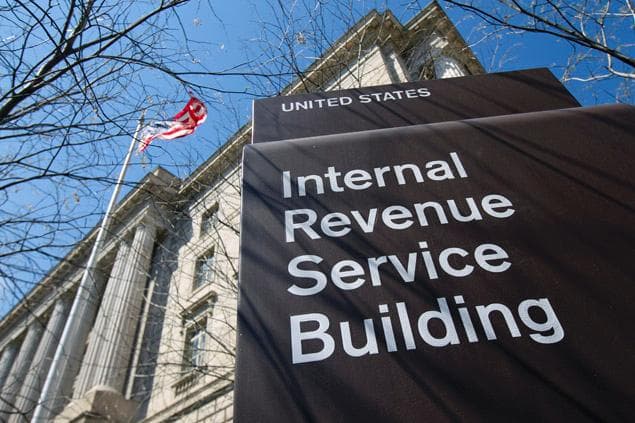
IRS Internal Revenue Service

The Internal Revenue Service (IRS) is warning of an active IRS impersonation scam campaign sending spam emails to distribute malware.

The Internal Revenue Service (IRS) issued an alert to warn taxpayers of a new scam campaign distributing malware.

Last week the US agency has received several reports from taxpayers that received spam messages with “Automatic Income Tax Reminder” or “Electronic Tax Return Reminder” subjects. The scammers impersonate the U.S. Internal Revenue Service by spoofing email addresses.

“The IRS this week detected this new scam as taxpayers began notifying phishing@irs.gov about unsolicited emails from IRS imposters.” reads the press release published by the IRS.

“The emails have links that show an IRS.gov-like website with details pretending to be about the taxpayer’s refund, electronic return or tax account. The emails contain a ‘temporary password’ or ‘one-time password’ to ‘access’ the files to submit the refund. But when taxpayers try to access these, it turns out to be a malicious file.”

Once the victims have entered the alleged temporary password included in the message to access the file, they will download malware that could steal sensitive data or remotely control their computers.

Experts observed threat actors using dozens of compromised websites and web addresses that pose as IRS.gov.

The IRS warns that the agency doesn’t use email to communicate tax-refund or for other sensitive communications and invites taxpayers to discard the message without using the embedded password.

“The IRS does not send emails about your tax refund or sensitive financial information,” stated IRS Commissioner Chuck Rettig. “This latest scheme is yet another reminder that tax scams are a year-round business for thieves. We urge you to be on-guard at all times.”

Internal Revenue Service

The Internal Revenue Service warns that the agency doesn’t initiate contact with taxpayers by email, text messages or social media channels to request personal or financial information.

The Agency recommends users of not responding to requests for PIN numbers, passwords or any other financial information.

“The IRS also doesn’t call to demand immediate payment using a specific payment method such as a prepaid debit card, gift card or wire transfer. Generally, the IRS will first mail a bill to any taxpayer who owes taxes. See Report Phishing and Online Scams for more details.” concludes the press release.

[adrotate banner=”9″] [adrotate banner=”12″]

Pierluigi Paganini

(SecurityAffairs – Internal Revenue Service, hacking)

[adrotate banner=”5″]

[adrotate banner=”13″]


