Security Affairs
U.S. CISA adds Red Hat, Linux Kernel, Ajax.NET Professional, Microsoft SQL Server, and Citrix NetScaler flaws to its Known Exploited Vulnerabilities catalog|Cyberattack on UK Airport Operator MAG Exposes Data of 8.7 Million Customers Across Three Airports|Dark Caracal Deploys New Go Malware With Ethereum-Based C2 Fallback|Australian Police Charge Two Over TeamPCP Credential Theft|Meta to Pay Up to $18B Over Teen Social Media Use|CISA Warns Water Utilities: Find Your Exposed PLCs Before Attackers Do|OpenAI banned Russian ChatGPT accounts backing covert influence operation|CISA Red Team Fully Compromised Two Critical Infrastructure Orgs|FBI Seizes China-Linked Hacking Platforms QScan and QTRouter Used Against Critical Infrastructure|U.S. CISA adds Gitea flaw to its Known Exploited Vulnerabilities catalog|88 ID Verification Breaches Show the Cost of Collecting Identity Data|WhatsApp Adds Stronger Security as Passkeys Hit 1 Billion|U.S. CISA adds Red Hat, Linux Kernel, Ajax.NET Professional, Microsoft SQL Server, and Citrix NetScaler flaws to its Known Exploited Vulnerabilities catalog|Cyberattack on UK Airport Operator MAG Exposes Data of 8.7 Million Customers Across Three Airports|Dark Caracal Deploys New Go Malware With Ethereum-Based C2 Fallback|Australian Police Charge Two Over TeamPCP Credential Theft|Meta to Pay Up to $18B Over Teen Social Media Use|CISA Warns Water Utilities: Find Your Exposed PLCs Before Attackers Do|OpenAI banned Russian ChatGPT accounts backing covert influence operation|CISA Red Team Fully Compromised Two Critical Infrastructure Orgs|FBI Seizes China-Linked Hacking Platforms QScan and QTRouter Used Against Critical Infrastructure|U.S. CISA adds Gitea flaw to its Known Exploited Vulnerabilities catalog|88 ID Verification Breaches Show the Cost of Collecting Identity Data|WhatsApp Adds Stronger Security as Passkeys Hit 1 Billion|
Advertisement

Ad Placeholder

Full Width × 90

Breaking News

13 fraudulent apps into Google Play have been downloaded 560,000+ times

Malware researcher discovered 13 fraudulent apps into Google Play that have been already downloaded and installed more than 560,000 times. Malware researcher Lukas Stefanko from security firm ESET discovered 13 malicious apps into Google Play that have been already downloaded and installed over half a million times (+560,000). The malicious apps could allow attackers to […]

Google Play Malicious apps

Malware researcher discovered 13 fraudulent apps into Google Play that have been already downloaded and installed more than 560,000 times.

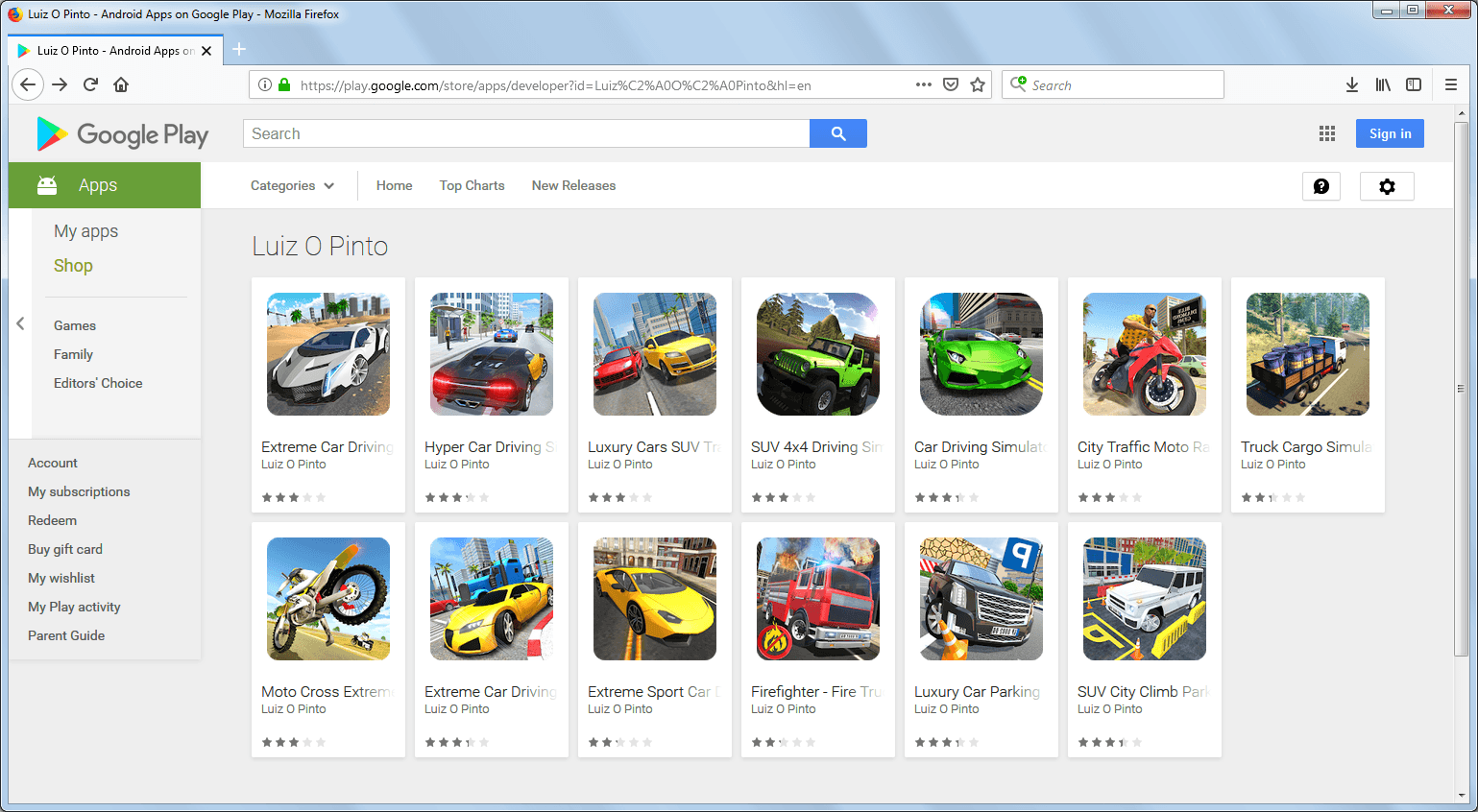
Malware researcher Lukas Stefanko from security firm ESET discovered 13 malicious apps into Google Play that have been already downloaded and installed over half a million times (+560,000).

Google Play Malicious apps

The malicious apps could allow attackers to install another app and trick the user into giving the permissions necessary for the installation.

All the malicious apps are posing as games were published by the same developer named Luis O Pinto, at the time they have a low detection rate.

The cybercriminals aim to monetize their efforts pushing unsolicited advertisements to the user when they unlock the device.

Once installed, the malicious apps would remove their icon from the display immediately and downloads other malicious apps in the background.

The applications were all downloaded from a hardcoded address.

In order to trick users into giving permissions to install the downloaded app, the malicious apps attempt to make the user believe that the installation failed and restarted, asking users to approve the action again.

Stefanko reported that the downloaded APK was Game Center, once installed and executed it hides itself start displaying ads.

The expert pointed out that the Game Center requests permissions for full network access and to view network and Wi-Fi connections, and to run at startup.

The malicious apps do not implement specific features, they only work as simple downloaders that can bypass Google Play security checks.

Stefanko confirmed that Game Center is no longer available at the link that is hardcoded in the malicious apps, after being informed of the fraudulent applications Google removed them from Google Play.

[adrotate banner=”9″] [adrotate banner=”12″]

Pierluigi Paganini

(Security Affairs – Google Play, malicious apps)

[adrotate banner=”5″]

[adrotate banner=”13″]