
Security Affairs
Dark Caracal Deploys New Go Malware With Ethereum-Based C2 Fallback|Australian Police Charge Two Over TeamPCP Credential Theft|Meta to Pay Up to $18B Over Teen Social Media Use|CISA Warns Water Utilities: Find Your Exposed PLCs Before Attackers Do|OpenAI banned Russian ChatGPT accounts backing covert influence operation|CISA Red Team Fully Compromised Two Critical Infrastructure Orgs|FBI Seizes China-Linked Hacking Platforms QScan and QTRouter Used Against Critical Infrastructure|U.S. CISA adds Gitea flaw to its Known Exploited Vulnerabilities catalog|88 ID Verification Breaches Show the Cost of Collecting Identity Data|WhatsApp Adds Stronger Security as Passkeys Hit 1 Billion|Operation Jackal: 58 Arrests Expose the Money Laundering Machine Behind Global Scams|Norway ’s Digital Government Infrastructure Hit by a new DDoS Attack|Dark Caracal Deploys New Go Malware With Ethereum-Based C2 Fallback|Australian Police Charge Two Over TeamPCP Credential Theft|Meta to Pay Up to $18B Over Teen Social Media Use|CISA Warns Water Utilities: Find Your Exposed PLCs Before Attackers Do|OpenAI banned Russian ChatGPT accounts backing covert influence operation|CISA Red Team Fully Compromised Two Critical Infrastructure Orgs|FBI Seizes China-Linked Hacking Platforms QScan and QTRouter Used Against Critical Infrastructure|U.S. CISA adds Gitea flaw to its Known Exploited Vulnerabilities catalog|88 ID Verification Breaches Show the Cost of Collecting Identity Data|WhatsApp Adds Stronger Security as Passkeys Hit 1 Billion|Operation Jackal: 58 Arrests Expose the Money Laundering Machine Behind Global Scams|Norway ’s Digital Government Infrastructure Hit by a new DDoS Attack|
Advertisement

Ad Placeholder

Full Width × 90

Breaking News

FBI IC3 warns of cyber attacks exploiting Remote Desktop Protocol (RDP)

The FBI Internet Crime Complaint Center (IC3) warns of cyber attacks exploiting Remote Desktop Protocol (RDP) vulnerabilities. Remote Desktop Protocol (RDP) is a widely adopted protocol for remote administration, but it could dramatically enlarge the attack surface if it isn’t properly managed. The FBI Internet Crime Complaint Center (IC3) and the DHS issued a joint alert to […]

RDP

The FBI Internet Crime Complaint Center (IC3) warns of cyber attacks exploiting Remote Desktop Protocol (RDP) vulnerabilities.

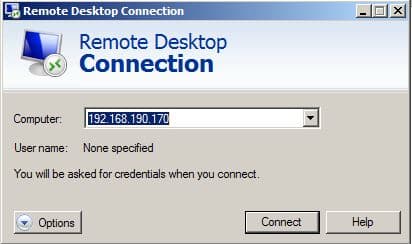
Remote Desktop Protocol (RDP) is a widely adopted protocol for remote administration, but it could dramatically enlarge the attack surface if it isn’t properly managed.

The FBI Internet Crime Complaint Center (IC3) and the DHS issued a joint alert to highlight the rise of RDP as an attack vector.

Attackers are exploiting this feature to access systems to deploy malware such as the SamSam ransomware.

“Malicious cyber actors have developed methods of identifying and exploiting vulnerable RDP sessions over the Internet to compromise identities, steal login credentials, and ransom other sensitive information.” reads the alert issued by IC3.

“The Federal Bureau of Investigation (FBI) and Department of Homeland Security (DHS) recommend businesses and private citizens review and understand what remote accesses their networks allow and take steps to reduce the likelihood of compromise, which may include disabling RDP if it is not needed.”

Attackers can “infiltrate the connection” between the local and the remote machines and inject malware into the remote system. Experts warn that attacks using the Remote Desktop Protocol do not require user input, this makes intrusions difficult to detect.

The IC3 warns of the following vulnerabilities:

  • Weak passwords
  • Outdated versions of RDP may use flawed CredSSP that opens to man-in-the-middle attack.
  • Allowing unrestricted access to the default Remote Desktop Protocol port (TCP 3389).
  • Allowing unlimited login attempts to a user account.

RDP

The alert includes the audit of network for systems using RDP for remote communication, limiting the use of the Remote Desktop Protocol, keeping systems up to date, and implements multi-factor authentication wherever possible.

[adrotate banner=”9″] [adrotate banner=”12″]

Pierluigi Paganini

(Security Affairs – IC3, hacking)

[adrotate banner=”5″]

[adrotate banner=”13″]


