
430,000 FortiGate Devices Exposed in FortiBleed Ransomware Link|Adobe fixed multiple maximum-severity flaws in ColdFusion and Campaign Classic|Alleged Scattered Spider Hacker Extradited to U.S. to Face Cybercrime Charges|Oracle E-Business Suite Flaw Under Active Attack, 950 Systems Exposed|Azure CLI Targeted in LSHIY Password Spray Campaign Across 64 Orgs|CISA Warns BlueHammer Flaw Is Now Exploited in Ransomware Attacks|RustDuck: The Botnet That’s Still Small but Engineering Like It Plans to Grow|GuardFall Flaw Hits 10 of 11 Popular Open-Source AI Agents|XSS.is, The Forum That Ran the Ransomware Supply Chain Is Down. The Market Isn’t|U.S. CISA adds SimpleHelp flaw to its Known Exploited Vulnerabilities catalog|Hackers Steal Data of 4.38 Million Aflac Japan Customers|Apple Fixes WebKit Flaws in iOS and macOS, With Help From AI Tools|430,000 FortiGate Devices Exposed in FortiBleed Ransomware Link|Adobe fixed multiple maximum-severity flaws in ColdFusion and Campaign Classic|Alleged Scattered Spider Hacker Extradited to U.S. to Face Cybercrime Charges|Oracle E-Business Suite Flaw Under Active Attack, 950 Systems Exposed|Azure CLI Targeted in LSHIY Password Spray Campaign Across 64 Orgs|CISA Warns BlueHammer Flaw Is Now Exploited in Ransomware Attacks|RustDuck: The Botnet That’s Still Small but Engineering Like It Plans to Grow|GuardFall Flaw Hits 10 of 11 Popular Open-Source AI Agents|XSS.is, The Forum That Ran the Ransomware Supply Chain Is Down. The Market Isn’t|U.S. CISA adds SimpleHelp flaw to its Known Exploited Vulnerabilities catalog|Hackers Steal Data of 4.38 Million Aflac Japan Customers|Apple Fixes WebKit Flaws in iOS and macOS, With Help From AI Tools|
Advertisement

Ad Placeholder

Full Width × 90

Malware

FakeInst – Kaspersky discovered the first active Android SMS trojan

Kaspersky Lab has recently detected FakeInst, the first active SMS trojan for Android which targeted users in 66 countries, including the US. Security experts at Kaspersky Lab have recently detected the first active SMS trojan for Android, which send short messages to premium-rate numbers in 14 countries around the world. The malware, dubbed ‘Trojan-SMS.AndroidOS.FakeInst.ef‘ (aka FakeInst) mainly infected mobile […]

FakeInst – Kaspersky discovered the first active Android SMS trojan

Kaspersky Lab has recently detected FakeInst, the first active SMS trojan for Android which targeted users in 66 countries, including the US.

Security experts at Kaspersky Lab have recently detected the first active SMS trojan for Android, which send short messages to premium-rate numbers in 14 countries around the world.

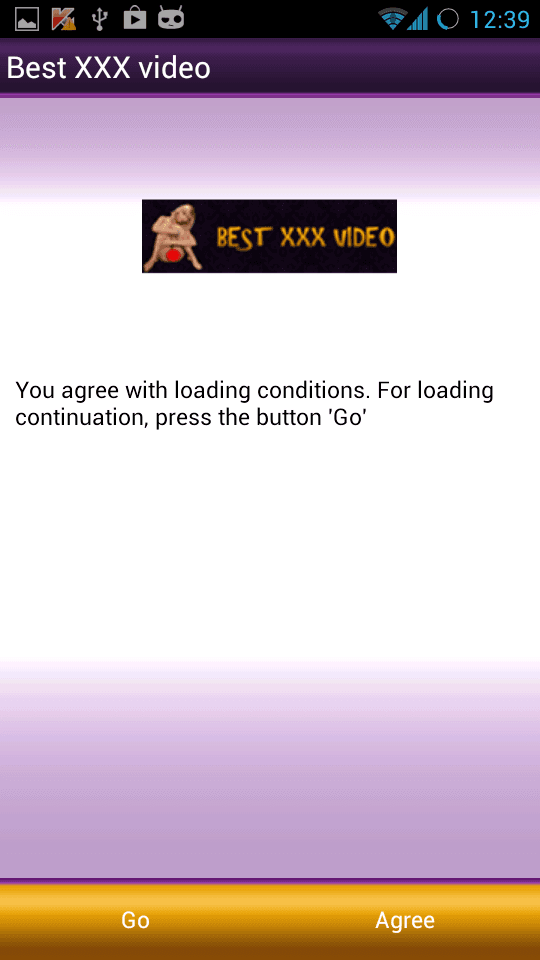
The malware, dubbed ‘Trojan-SMS.AndroidOS.FakeInst.ef‘ (aka FakeInst) mainly infected mobile devices in Russia and Canada, the monetization scheme is simple and efficient, it sends premium-rate SMS messages. The malware FakeInst disguises itself as a legitimate Android application for watching porn videos, it allows an attacker to access and modify victim’s SMS messages.

Trojan SMS AndroidOS FakeInst infections

Experts at Kaspersky believe that FakeInst was created by Russian-speaking cybercriminals because its early versions were designed to operate in Russia and because its command and control servers (xbt.in,
ybt.in) are hosted at Russian providers.

The following sites are located on the same IP with these C&C servers:

  • botmgr.net
  • anid.in
  • icemob.net
  • ftop.org
  • midex.org
  • wapon.org

The infection process is not not particularly complex, victims may be compromised via a phishing campaign based on sexual theme or through a watering hole attack based on web sites proposing adult material. In both cases it is requested to the victims to install a malicious application for viewing the sexual content.

“The application asks the user to agree to send a text message to purchase paid content. However, after sending the message the Trojan opens a free-access website.In order to send the message, the Trojan decrypts a configuration file which contains all phone numbers and prefixes. From this list, FakeInst selects the appropriate numbers and prefixes for the user’s mobile country code (MCC).” reports the official blog post.

As usual to avoid surprises download software from trusted stores and carefully check the grants you give to the application during the installation phase.

“Do not install apps from unofficial stores,” “If a porn website tells you to install an application, you better not do this. And, of course, users should use mobile anti-virus.”Unuchek said.

Pierluigi Paganini

(Security Affairs –  Android, FakeInst)


