Security Affairs
Hidden Tenda Router Backdoor Grants Admin Access, No Patch Available|AI-Generated Malware Powers New Armored Likho APT Campaign|Januscape: 16-Year-Old Linux KVM Bug Enables Cloud VM Escape Attacks|Adobe ColdFusion flaw CVE-2026-48282 now exploited in the wild|Hidden Web Prompts Trick AI Agents Into Sending Money|Seven Bugs in FatFs Put IoT and Embedded Devices at Risk|Bad Epoll Flaw Gives Attackers Root Access on Linux and Android|Medtronic Notifies 3.8 Million After ShinyHunters Data Breach|SECURITY AFFAIRS MALWARE NEWSLETTER ROUND 104|Security Affairs newsletter Round 584 by Pierluigi Paganini – INTERNATIONAL EDITION|U.S. Government Agency Paid $1M to Data Extortion Group Kairos|FBI: TeamPCP Compromised Dev Tools to Steal Cloud Credentials|Hidden Tenda Router Backdoor Grants Admin Access, No Patch Available|AI-Generated Malware Powers New Armored Likho APT Campaign|Januscape: 16-Year-Old Linux KVM Bug Enables Cloud VM Escape Attacks|Adobe ColdFusion flaw CVE-2026-48282 now exploited in the wild|Hidden Web Prompts Trick AI Agents Into Sending Money|Seven Bugs in FatFs Put IoT and Embedded Devices at Risk|Bad Epoll Flaw Gives Attackers Root Access on Linux and Android|Medtronic Notifies 3.8 Million After ShinyHunters Data Breach|SECURITY AFFAIRS MALWARE NEWSLETTER ROUND 104|Security Affairs newsletter Round 584 by Pierluigi Paganini – INTERNATIONAL EDITION|U.S. Government Agency Paid $1M to Data Extortion Group Kairos|FBI: TeamPCP Compromised Dev Tools to Steal Cloud Credentials|
Advertisement

Ad Placeholder

Full Width × 90

Breaking News

Fake AV websites used to distribute info-stealer malware

Threat actors used fake AV websites masquerading as legitimate antivirus products from Avast, Bitdefender, and Malwarebytes to distribute malware. In mid-April 2024, researchers at Trellix Advanced Research Center team spotted multiple fake AV sites used to distribute info-stealers. The malicious websites hosted sophisticated malicious files such as APK, EXE and Inno setup installer, including Spy […]

fake AV websites

Threat actors used fake AV websites masquerading as legitimate antivirus products from Avast, Bitdefender, and Malwarebytes to distribute malware.

In mid-April 2024, researchers at Trellix Advanced Research Center team spotted multiple fake AV sites used to distribute info-stealers. The malicious websites hosted sophisticated malicious files such as APK, EXE and Inno setup installer, including Spy and Stealer capabilities.

The fake websites were masquerading as legitimate antivirus products from Avast, Bitdefender, and Malwarebytes.

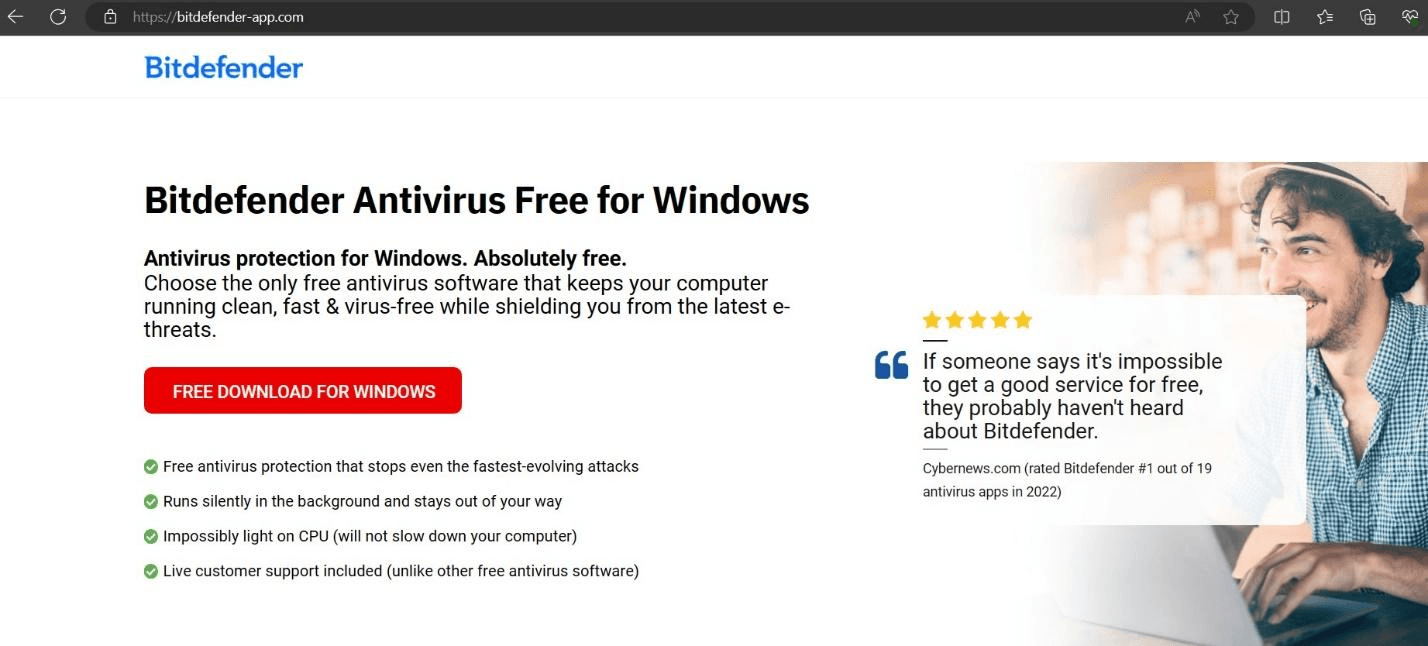
The sites hosting malware are avast-securedownload.com (Avast.apk), bitdefender-app.com (setup-win-x86-x64.exe.zip), malwarebytes.pro (MBSetup.rar).

Below is the list of malicious websites analyzed by the researchers:

  1. avast-securedownload[.]com: Distributes the SpyNote trojan as an Android package file (“Avast.apk”), which, once installed, requests intrusive permissions such as reading SMS messages and call logs, installing and deleting apps, taking screenshots, tracking location, and mining cryptocurrency.
  2. bitdefender-app[.]com: Distributes a ZIP archive file (“setup-win-x86-x64.exe.zip”) that was used to deploy the Lumma information stealer.
  3. malwarebytes[.]pro: Distributes a RAR archive file (“MBSetup.rar”) that was used to deploy the StealC information stealer malware.
fake AV websites

The experts also discovered a malicious Trellix binary that pretends to be Legit (AMCoreDat.exe).

The researchers did not attribute the attacks to a specific threat actor. The report also includes Indicators of Compromise (IoCs) for the attacks employing fake AV websites.

Pierluigi Paganini

Follow me on Twitter: @securityaffairs and Facebook and Mastodon

(SecurityAffairs – hacking, fake AV websites)