
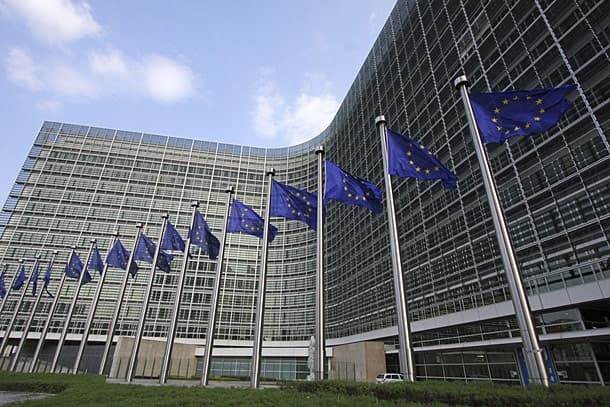
The European Union this week agreed to tighten up rules for the sale and export of dual-use technology.
European Parliament votes to tighten up rules for the sale and export of surveillance and encryption technology.
EU lawmakers and the European Council aim to update controls for the sale of dual-use solutions such as surveillance spyware, facial recognition systems and drones to prevent authoritarian government abusing them for censorship and to persecute political opponents and dissidents violating human rights.
The term “dual-use” refers to technology that can be used for both peaceful and military aims.
The new rules oblige European companies to apply for government licenses to export surveillance solutions demonstrating that the sale doesn’t pose a risk to human rights.
EU authorities also request countries more transparency about the export licenses they grant.
The current update was urged by technological developments and growing security risks.
“EU countries will also have to be more transparent by publicly disclosing details about the export licenses they grant. And the rules can also be swiftly changed to cover emerging technologies.” states the Asspciated Press.
“Dual use technology could also include high-performance computers, drones and certain chemicals.”
Most countries have export controls on dual-use technologies that restrict the export of certain commodities and technologies without the permission of the government.
In the US the Bureau of Industry and Security (BIS) Office of Export Enforcement (OEE) is the agency that investigates potential violations of export control.
In the European Union dual-use technology is controlled through the Control List of Dual Use Items.
“Today is a win for global human rights. We have set an important example for other democracies to follow,” said Marketa Gregorova, a European Parliament lawmaker who was one of the lead negotiato. “Authoritarian regimes will no longer be able to secretly get their hands on European cyber-surveillance.”
The agreement is the result of intense negotiations that last several years and still have to be formally approved by the European Parliament and other bodies.
The rule of human rights group was crucial in providing considerations about the definition of new criteria that have to prevent the sale and the export of certain surveillance and intrusion technologies to governments that could use the to abuse human rights.
“The informal political agreement now needs to be formally endorsed by the International Trade Committee and Parliament as a whole, as well as the Council, before it can enter into effect.” concludes the press release published by the European Parliament.
| [adrotate banner=”9″] | [adrotate banner=”12″] |
(SecurityAffairs – hacking, dual-use technology)
[adrotate banner=”5″]
[adrotate banner=”13″]


