
Pro-Ukraine hackers are using Docker images to launch distributed denial-of-service (DDoS) attacks against a dozen Russian and Belarusian websites.
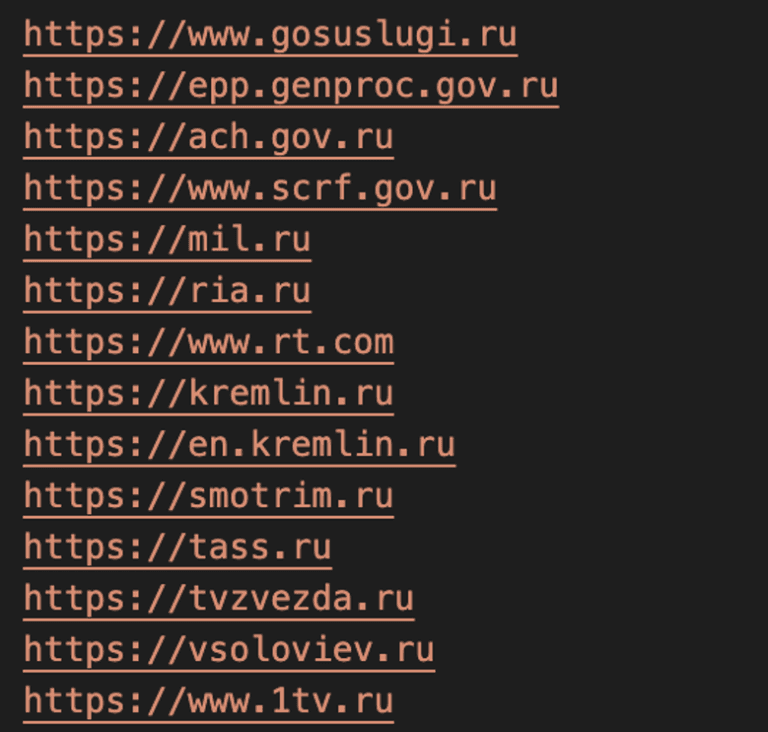
Pro-Ukraine hackers, likely linked to Ukraine IT Army, are using Docker images to launch distributed denial-of-service (DDoS) attacks against a dozen websites belonging to government, military, and media. The DDoS attacks also targeted three Lithuanian media websites.
The attacks were monitored by cybersecurity firm CrowdStrike, who discovered that the Docker Engine honeypots deployed between February 27 and March 1 were compromised and used in the DDoS attacks.
The attackers attempt to exploit misconfigured Docker installs through exposed APIs and takeover them to abuse their computational resources.
“Container and cloud-based resources are being abused to deploy disruptive tools. The use of compromised infrastructure has far-reaching consequences for organizations who may unwittingly be participating in hostile activity against Russian government, military and civilian targets.” reported Crowdstrike. “Docker Engine honeypots were compromised to execute two different Docker images targeting Russian, Belarusian and Lithuanian websites in a denial-of-service (DoS) attack.”
The technique to compromise Dockers containers is widely adopted by financially-motivated threat actors, like LemonDuck or TeamTNT to abuse their resources and mine cryptocurrencies.
The experts noticed that the Docker images’ target lists overlap with domains shared by the Ukraine IT Army (UIA). The attacks involved the two images that have been downloaded over 150,000 times, but the threat intelligence firm confirmed that CrowdStrike Intelligence cannot determine the exact number of downloads originating from compromised infrastructure.
The list of targeted websites includes the Kremlin and Tass agency websites.

The two images used by the attackers are named “erikmnkl/stoppropaganda” and “abagayev/stop-russia”.
“Both Docker images’ target lists overlap with domains reportedly shared by the Ukraine government-backed UIA that called its members to perform DDoS attacks against Russian targets. CrowdStrike Intelligence assesses these actors almost certainly compromised the honeypots to support pro-Ukrainian DDoS attacks. This assessment is made with high confidence based on the targeted websites.” concludes the report that includes Indicators of Compromise (IoCs) along with Snort detection rule.
Please vote for Security Affairs as the best European Cybersecurity Blogger Awards 2022 – VOTE FOR YOUR WINNERS
Vote for me in the sections “The Underdogs – Best Personal (non-commercial) Security Blog” and “The Tech Whizz – Best Technical Blog” and others of your choice.
To nominate, please visit: https://docs.google.com/forms/d/e/1FAIpQLSfxxrxICiMZ9QM9iiPuMQIC-IoM-NpQMOsFZnJXrBQRYJGCOw/viewform
Follow me on Twitter: @securityaffairs and Facebook
| [adrotate banner=”9″] | [adrotate banner=”12″] |
(SecurityAffairs – hacking, domain name system)
[adrotate banner=”5″]
[adrotate banner=”13″]


