
China questioned Nvidia over suspected backdoors in its H20 chips, adding to rising tensions in the tech fight between the U.S. and Beijing.
China’s internet watchdog has summoned Nvidia over concerns that its H20 AI chips may contain hidden backdoors.
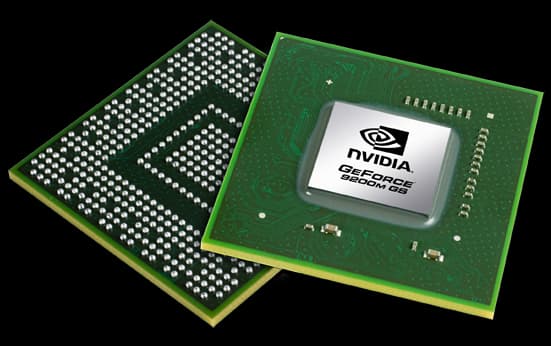
Nvidia H20 chips are AI GPUs tailored for the Chinese market, based on Hopper architecture. They deliver strong AI performance but with reduced features to comply with U.S. export controls, balancing China’s AI demands and geopolitical restrictions.
This comes just after the U.S. quietly lifted an export ban, allowing Nvidia to resume chip sales in China. Originally, the ban was put in place due to fears the technology could aid China’s military. Now, while Nvidia reenters the market, the Chinese government is tightening its grip, signaling that foreign tech will face intense scrutiny moving forward.
China’s Cyberspace Administration summoned Nvidia on July 31, 2025, over security concerns tied to its H20 chips. U.S. AI experts claim the chips have tracking, location, and remote shutdown features. In response, China is demanding explanations and documentation, citing its cybersecurity, data, and privacy laws to protect its users from potential backdoor risks in the technology.
“Recently, serious security issues with Nvidia’s computing chips have been exposed. Previously, US lawmakers called for advanced chips exported from the US to be equipped with tracking and location capabilities. US artificial intelligence experts revealed that Nvidia’s computing chips have mature tracking and location and remote shutdown technologies.” warns the Cyberspace Administration of China. “To safeguard the network and data security of Chinese users, and in accordance with the Cybersecurity Law, the Data Security Law, and the Personal Information Protection Law, the Cyberspace Administration of China summoned Nvidia on July 31, 2025, requesting that the company explain the backdoor security risks associated with its H20 computing chips sold to China and submit relevant supporting documentation.”
The move follows the proposed U.S. Chip Security Act, which would mandate GPS-like tracking in AI chips exported abroad. Citing national cybersecurity laws, China demanded Nvidia explain the risks and provide supporting documents, fearing U.S. chips could be used to monitor or disable Chinese systems.
Follow me on Twitter: @securityaffairs and Facebook and Mastodon
(SecurityAffairs – hacking, China)


