
430,000 FortiGate Devices Exposed in FortiBleed Ransomware Link|Adobe fixed multiple maximum-severity flaws in ColdFusion and Campaign Classic|Alleged Scattered Spider Hacker Extradited to U.S. to Face Cybercrime Charges|Oracle E-Business Suite Flaw Under Active Attack, 950 Systems Exposed|Azure CLI Targeted in LSHIY Password Spray Campaign Across 64 Orgs|CISA Warns BlueHammer Flaw Is Now Exploited in Ransomware Attacks|RustDuck: The Botnet That’s Still Small but Engineering Like It Plans to Grow|GuardFall Flaw Hits 10 of 11 Popular Open-Source AI Agents|XSS.is, The Forum That Ran the Ransomware Supply Chain Is Down. The Market Isn’t|U.S. CISA adds SimpleHelp flaw to its Known Exploited Vulnerabilities catalog|Hackers Steal Data of 4.38 Million Aflac Japan Customers|Apple Fixes WebKit Flaws in iOS and macOS, With Help From AI Tools|430,000 FortiGate Devices Exposed in FortiBleed Ransomware Link|Adobe fixed multiple maximum-severity flaws in ColdFusion and Campaign Classic|Alleged Scattered Spider Hacker Extradited to U.S. to Face Cybercrime Charges|Oracle E-Business Suite Flaw Under Active Attack, 950 Systems Exposed|Azure CLI Targeted in LSHIY Password Spray Campaign Across 64 Orgs|CISA Warns BlueHammer Flaw Is Now Exploited in Ransomware Attacks|RustDuck: The Botnet That’s Still Small but Engineering Like It Plans to Grow|GuardFall Flaw Hits 10 of 11 Popular Open-Source AI Agents|XSS.is, The Forum That Ran the Ransomware Supply Chain Is Down. The Market Isn’t|U.S. CISA adds SimpleHelp flaw to its Known Exploited Vulnerabilities catalog|Hackers Steal Data of 4.38 Million Aflac Japan Customers|Apple Fixes WebKit Flaws in iOS and macOS, With Help From AI Tools|
Advertisement

Ad Placeholder

Full Width × 90

Breaking News

New Android banking Malware targets Brazil’s Itaú Unibanco Bank

Researchers analyzed a new Android banking malware that targets Brazil’s Itaú Unibanco that spreads through fake Google Play Store pages. Researchers from threat intelligence firm Cyble analyzed a new Android banking malware that targets Brazil’s Itaú Unibanco trying to perform fraudulent financial transactions on the legitimate Itaú Unibanco applications without the victim’s knowledge. Threat actors spread the malware using fake Google Play Store […]

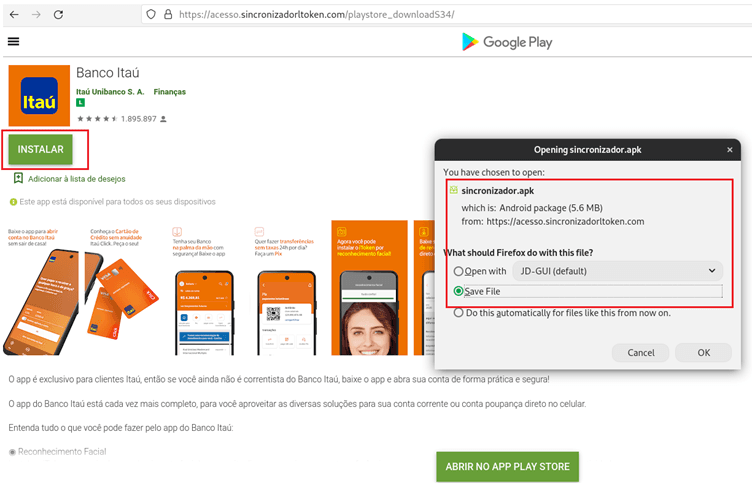
Figure-7-Cyble-Itau-Unibanco Android banking Malware Downloading-the-Malware

Researchers analyzed a new Android banking malware that targets Brazil’s Itaú Unibanco that spreads through fake Google Play Store pages.

Researchers from threat intelligence firm Cyble analyzed a new Android banking malware that targets Brazil’s Itaú Unibanco trying to perform fraudulent financial transactions on the legitimate Itaú Unibanco applications without the victim’s knowledge.

Threat actors spread the malware using fake Google Play Store pages hosting malicious applications under the name ‘sincronizador.apk .’ The malware was first spotted by researchers at MalwareHunterTeam.

“The malware tries to perform fraudulent financial transactions on the legitimate Itaú Unibanco applications without the victim’s knowledge. This application has a similar icon and name that could trick users into thinking it is a legitimate app related to Itaú Unibanco.” reads the analysis published by the experts. “we observed that the TA has created a fake Google Play Store page and hosted the malware that targets Itaú Unibanco on it under the name ‘sincronizador.apk.’ “

Upon launching the malicious app, it asks users to enable the AccessibilityService and allow other actions such as Observe actions, Retrieve window content, and Perform gestures. The malware uses AccessibilityService to carry out its malicious activities, this permission allows the malware to access notifications and window content, and perform gestures on the display (i.e. tap the display).

The fake Google Play page analyzed by Cyble claims that the app has had 1,895,897 downloads.

Users should install applications only from the official stores to avoid such attacks. 

“_lTAU_SINC/sincronizador Android malware targets the Brazilian bank Itaú Unibanco’s users and tries to perform fraudulent financial transactions without the victim’s knowledge.” concludes the experts.

“Threat Actors constantly adapt their methods to avoid detection and find new ways to target users through increasingly sophisticated techniques. Such malicious applications often masquerade as legitimate applications to trick users into installing them.”

Follow me on Twitter: @securityaffairs and Facebook

[adrotate banner=”9″][adrotate banner=”12″]

Pierluigi Paganini

(SecurityAffairs – hacking, Android banking malware)

[adrotate banner=”5″]

[adrotate banner=”13″]


